


Blitz Bureau
NEW DELHI: The Supreme Court has set aside an order of the National Consumer Disputes Redressal Commission (NCDRC) awarding Rs 2 crore as compensation to a model who alleged loss of career opportunities after a bad haircut at a hotel in Delhi, holding that her claims were unsupported by reliable and admissible evidence.
A Bench comprising Justices Rajesh Bindal and Manmohan ruled that the complainant, Aashna Roy, failed to prove any concrete loss of modelling assignments, film roles or income attributable to the haircut, and directed that Rs 25 lakh — already disbursed to her pursuant to earlier court orders, would remain the final compensation.
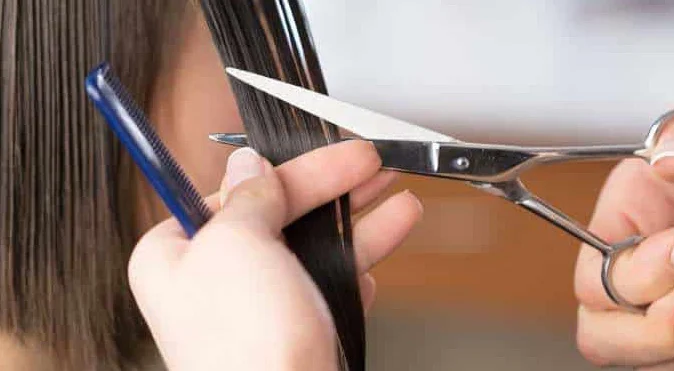
The dispute dates back to April 12, 2018, when Roy visited the salon at ITC Maurya for a haircut. Dissatisfied with the service, she approached NCDRC alleging deficiency in service and negligence, claiming that the haircut adversely affected her confidence, appearance and professional prospects.
In September 2021, NCDRC found the hotel guilty of deficiency in service and awarded Rs 2 crore as compensation. While the Supreme Court declined to interfere with the finding of deficiency, it remitted the matter back to NCDRC for fresh determination of quantum of compensation. Roy then enhanced her claim to Rs 5.2 crore and produced photocopies of emails, certificates and other documents to substantiate her alleged loss of assignments and future prospects. NCDRC, however, once again awarded Rs 2 crore along with interest at 9 per cent per annum, leading ITC Maurya to move the Supreme Court again.
Allowing the appeal in part, the apex court found serious flaws in NCDRC’s approach to quantifying damages. The Bench noted that documents relied upon by Roy were mostly photocopies, the authors of which were not examined; nor were any steps taken to prove their authenticity.
“Damages cannot be awarded merely on presumptions or whims and fancies of the complainant,” said the court, stressing that claims running into crores of rupees require “trustworthy and reliable evidence”.