


Blitz Bureau
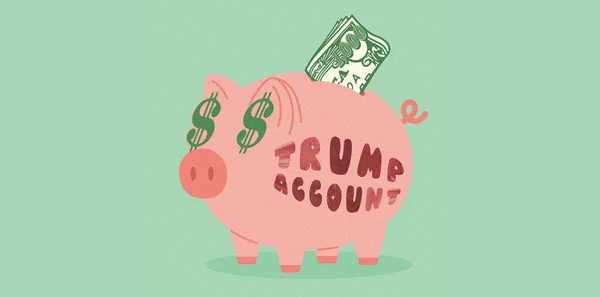
NEW DELHI: US President Donald Trump on January 28 unveiled a new federal initiative called “Trump Accounts,” saying the programme would provide every newborn American child with a government-funded investment account to give families a financial head start from birth.
Speaking at the Treasury Department’s Trump Accounts Summit, Trump said the initiative would “give every newborn American child a financial stake in the future,” calling it a way to ensure that children begin life with assets rather than debt.
Under the programme, the US government will automatically create a tax-free investment account for each child born in the country. The account will be seeded with a $1,000 contribution at birth, Trump said, with additional contributions allowed from parents, employers, states, and other donors.
“We’ll fund those personal accounts with a seed contribution of $1,000, which will compound and grow over the course of their lives,” Trump said, adding that the accounts could grow to “very, very substantial numbers” over time. The President said families and supporters would be able to add up to $5,000 annually to each account. “The typical account will grow to 100,000, 200,000, and can even grow up to past $300,000 per child,” he said.
The President linked the initiative to legislation he signed last year, which he described as a “great, big, beautiful bill.” He also highlighted broader tax measures, including “no tax on tips, no tax on overtime, no tax on Social Security,” as part of what he called a pro-worker economic agenda.
Employers interested
Several major employers have committed to contributing to the accounts, including Uber, Schwab, Charter Communications, Intel, Nvidia, Broadcom, IBM, and Comcast. Visa. The accounts can be activated from July 4 this year. The United States has previously relied on targeted tax credits and education savings plans to support families with children. Trump Accounts would mark the first universal, governmentseeded investment programme for all newborns, positioning early asset ownership as a central pillar of US family and economic policy.