Blitz Bureau
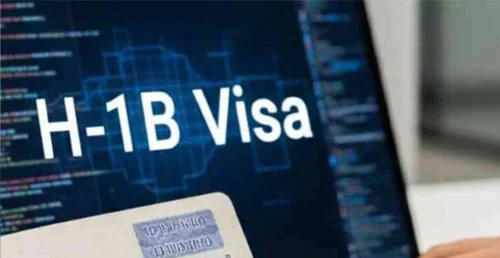
NEW DELHI: More than 20 US states on December 24 moved the court to block the Trump administration’s new $100,000 fee on H-1B visas, warning that the measure would disrupt schools and hospitals nationwide and choke off a key pipeline of skilled foreign talent.
The legal challenge carries particular significance for Indian professionals, who account for a dominant share of H-1B visa holders and play a critical role across US healthcare, education, research and technology sectors, especially in public institutions that states say cannot absorb the steep new cost.
The multistate amicus brief supporting plaintiffs in Global Nurse Force, et al. v. Trump, urged the US District Court for the Northern District of California to issue a preliminary injunction blocking the policy. The brief argues the fee is unlawful and contrary to the public interest, as it would worsen labour shortages, weaken the economy and disrupt essential public services.
“The Trump Administration’s $100,000 visa fee imposes unnecessary and unlawful financial burdens on public employers and will leave essential positions in critical sectors unfilled,” asserted California Attorney General Rob Bonta. The Trump administration imposed the unprecedented fee on September 19, 2025, applying it to new H-1B petitions filed after September 21. Implemented through a series of Department of Homeland Security documents, the policy grants the DHS secretary broad discretion to decide which petitions are subject to the fee or exempt, a provision that states say raises concerns about selective enforcement.
H-1B visas allow US employers to hire highly skilled foreign nationals in speciality occupations requiring at least a bachelor’s degree, including physicians, researchers, nurses and educators. While Congress caps most private-sector H-1B visas at 65,000 annually, with an additional 20,000 for advanced degree holders, many government and nonprofit research institutions are exempt to ensure they can meet public service needs. In their plea, the states argue the $100,000 fee would effectively shut public employers out of the programme.