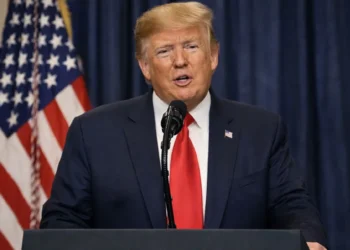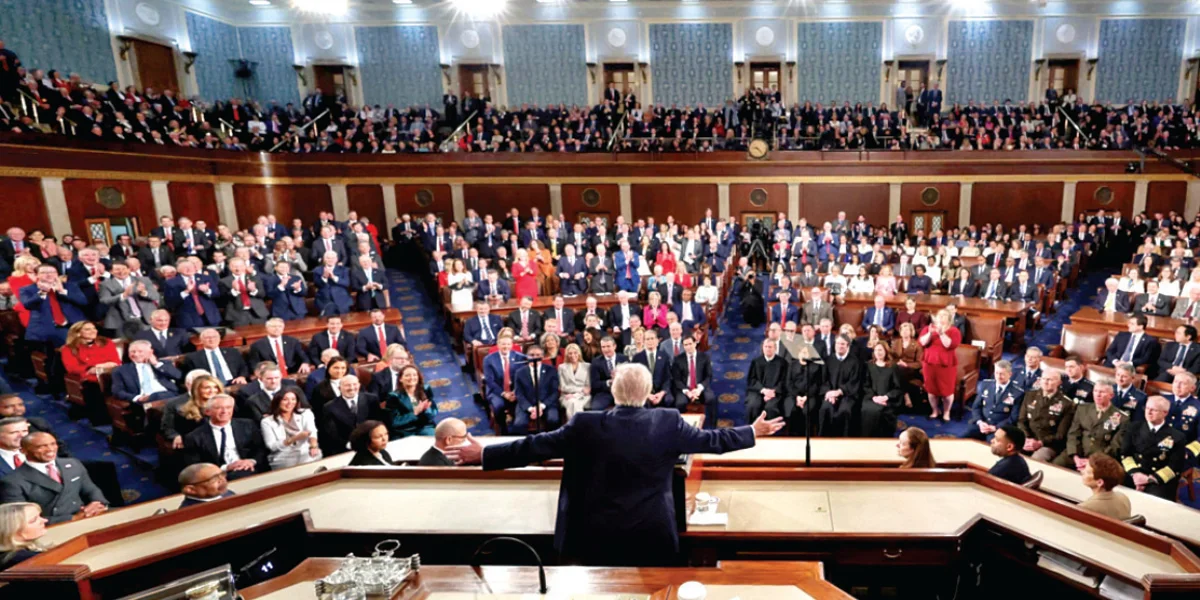
US President Donald Trump’s military campaign against Iran has triggered a sharp political confrontation in Washington, with Democrats calling it an unjustified war while Republicans say the action was needed to neutralise Iranian missile threats.
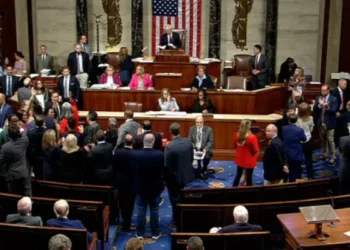
Democratic leaders accused the administration of launching the United States into a widening Middle East conflict without a clear strategy or authorization from the Congress. Senate Minority Leader Charles Schumer told reporters on March 3 the administration had offered multiple explanations for the military action.
‘No strategy’
“Regime change, nuclear weapons, missiles, defense, preemptive, which is it? When the justification keeps shifting, a strategy is missing. There is no strategy,” he said.
He warned that the conflict could escalate further and impose broader economic costs.
“The conflict is widening. Oil prices are already skyrocketing. Wars without clear objectives do not remain small. They get bigger, bloodier longer and more expensive,” Schumer said. Democratic lawmakers also pointed to the loss of American personnel in the early days of the conflict. “Six American service members are dead,” Schumer said.
Senator Patty Murray criticised the decision to launch the operation without congressional approval. “This president sent our kids into a war of choice from his beach club in Florida without clear objectives or any sense of an end game, and without any authorization from Congress,” Murray said.
She argued that Americans were struggling with rising costs at home and did not want the country drawn into another Middle East war. Senator Tim Kaine said the country should reflect on the long history of costly conflicts in the region. “Haven’t we learned anything from 25 years in the wars in the Middle East,” he said.
Defending Trump
Republican leaders defended the president’s decision and said the strikes were necessary to counter Iranian capabilities. At a separate press conference, Senate Majority Leader John Thune said Trump had acted within his authority to protect US national security.