Shalini S Sharma
NEW DELHI: Shanghai is the third most populous city in the world, behind Tokyo and Delhi, with a population of around 31 million. This factoid conjures up images of bustling streets, traffic pile-ups, large pedestrian crossings, buses, cars and all the usual paraphernalia of a large city. Think Delhi. Right? Wrong, when you are in Shanghai.
Forget about the hustle and bustle, you will be lucky to spot even a living being anywhere on a road or a traffic junction on a busy weekday in this popular port city of China. Situated on the country’s east coast, Shanghai can trick anyone into believing that the lockdown is still on. And you suddenly wonder if all the stories of this being the most populous country in the world till some years back, were fake or what.
Social credit system
A little research into this curious subject throws up some interesting facts and the story of a nation’s brutal discipline, authoritarian administration and what it does to the psyche of its people begins to emerge. The country’s rulers have devised a clever system of individual as well as corporate social credit.
This works much like the credit score system in India. Just like a default on payment of a bank instalment or a credit card bill lowers one’s credit score and jeopardises the chances of securing a loan in future, similarly, in China there is a social score for everybody. The only difference is that it goes far beyond tracking timely payments and comprises several parameters with each having an impact on the composite score.
The Chinese social credit system tracks as innocuous a thing as jay walking! And there are surveillance cameras everywhere. Anyone found loitering anywhere without any purpose runs the risk of getting his or her social score lowered. Bigger deviations affect the social score of not just the individual but also of the family members. Add to that, violation of traffic rules, or non-payment of taxes, for corporates.
Everybody in China strictly adheres to what he or she is supposed to do. Everybody has a defined role in society and they do as told, without question or objection
Good deeds such as blood donation, charity work and high tax compliance fetch points and discounts on public utilities and terms for bank loans etc. A low social score can literally mean the end of the road for many and, life in a slow lane. High speed train and flight tickets are denied to them, they cannot stay in luxury hotels, nor send their children to private, expensive schools. Those defaulting on payments are often shamed publically and their photos displayed on public screens to make them pay.
Programmed to follow
As a result of this system, everybody in China strictly adheres to what he or she is supposed to do. Everybody has a defined role in society and they do as told, without question or objection. On weekdays they all go to offices early morning, have lunch at 11:30 AM, leave for home at 5:30 PM, have dinner at 6:00 PM and go to bed at 9:00 PM. All shops, malls, markets, bazaars close by 7:00 PM.
Only on holidays do people indulge themselves a little – go out to parks with their children or shop in malls. Much like the Japanese and the Koreans, Chinese people, especially the youngsters, have a thing for cuteness. Most carry cute animal mascots on their bags, like charms, and keep cute little pet dogs.
No gigantic or ferocious breeds like Labradors or Alsatians for them. Most people are seen hanging around on a holiday with either a Toy & Teacup Poodle, groomed with ‘teddy bear’ cuts or a Bichon Frisé in their white, fluffy ‘powder puff’ coats and cheerful dispositions. Other popular dog breeds are Japanese Spitz and Welsh Corgi.
People mostly travel by Metro, which is underground, everywhere. This means that there are always more people underground, than over ground. If not travelling by Metro, people ride bicycles or electric scooters, which are mostly seen wearing jackets to shield the riders from cold wind, dust and rains.
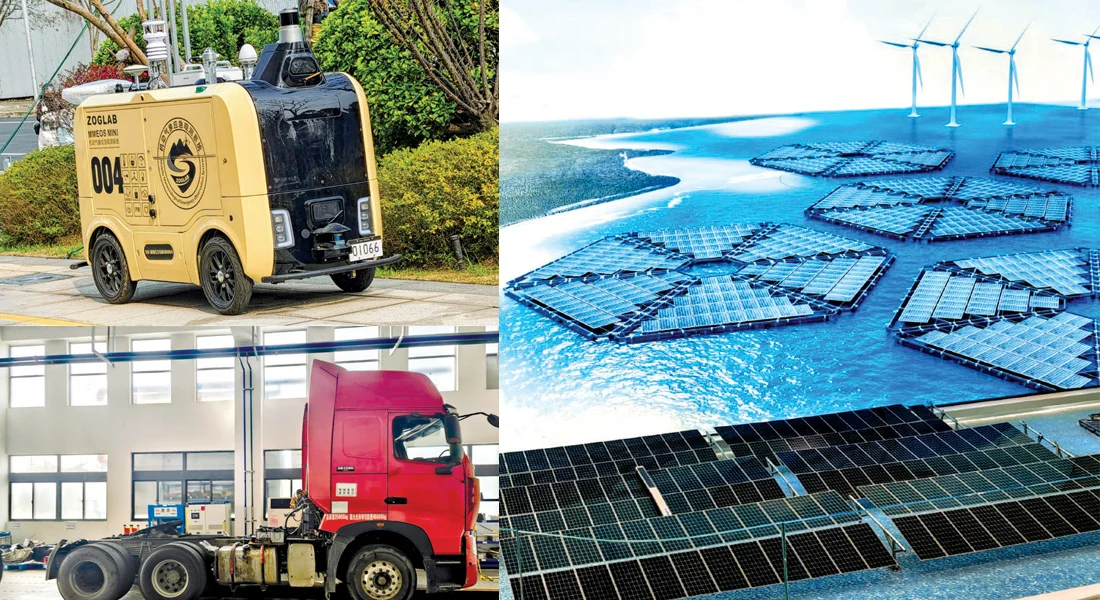
Only a few cars are ever visible on roads in cities. They are mostly electric powered and always with pitch-dark window glasses. The scenery is achingly beautiful, even in small towns and cities, and there are no cattle, pigeons, birds, other animals / living beings, to tarnish it anywhere.
This explains how China has been able to become an economic wonder and set an example for the world.
Apparatus of growth
Whatever the authorities set out to do in a given timeframe, they are able to do with immaculate planning and precision. There are no delays over land-related issues, all land is owned by the Government and individuals can only take their houses or factories on lease for a defined period.
There are no labour-related problems, no dearth of finances for projects, debt be damned. China’s debt to GDP ratio is a staggering 300 per cent. This debt is mostly hidden and does not show in official figures.
If there is an infrastructure project, say a high-speed rail network, to be built in an identified province or city, that city sets up a Local Government Financing Vehicle and gives it the required land for the project. This company then goes to a state-owned bank and asks it to fund the project with the Government land as collateral.
The bank provides this company the required billions which become the debt of the company, not of the Government. This way, projects never run short of funds, infrastructure is built and the Government stays clear of debt. This hidden debt in China runs into trillions of yuan and is the channel through which the country has built its core assets.