Blitz Bureau
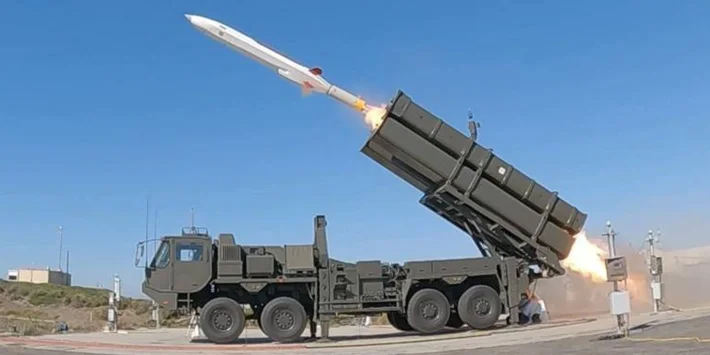
NEW DELHI: Japan on April 21 scrapped a ban on lethal weapons exports, a major change in its postwar pacifist policy as the country seeks to build up its arms industry amid worries over Chinese and North Korean aggression.
The approval by Prime Minister Sanae Takaichi’s Cabinet of the new guideline clears a final set of hurdles for many arms sales, including of Japanese-developed warships, combat drones and other weapons.
It has been largely welcomed by Japanese defence partners like Australia and attracted interest from Southeast Asia and Europe. US Ambassador to Japan George Glass on X called the move a “historic step” that will help enhance the defence capabilities between the allies.
China unhappy
China criticized the change in policy. Chinese Foreign Ministry spokesperson Guo Jiakun said the global community including China will “resolutely resist Japan’s reckless moves toward a new type of militarism.” Opponents at home also say the change violates Japan’s pacifist constitution and will increase global tensions and threaten the safety of the Japanese people.
The new policy will “ensure safety for Japan and further contribute to the peace and stability in the region and the international society as the security environment around our country rapidly changes,” Chief Cabinet Secretary Minoru Kihara told reporters. “The government will strategically promote defence equipment transfers to create a security environment that is desirable for Japan and to build up the industrial base that can support fighting resilience.
Japan has long prohibited most arms exports under its post-World War II pacifist constitution. It has made recent changes because of rising global and regional tensions, but exports were limited to five areas: rescue, transport, alerts, surveillance and minesweeping.
Japan has long prohibited most arms exports under its post-World War II pacifist constitution. It has made recent changes because of rising global and regional tensions
Japan remains committed to strict screening and export controls to third countries and will not offer lethal weapons to countries at war, officials said, but granted that exceptions could be made to that limit.
Change in policy
Japan began to export some non-lethal military supplies in 2014, and in December 2023 it approved a change that would allow sales of dozens of lethal weapons and components that it manufactures under licenses from other countries back to the licensors.
Japan’s domestic defence industry was long seen as a bad investment, limited to catering only to the Self-Defence Force and Defence Ministry. Dozens of former defence contractors have withdrawn from the market.
That is changing as Japan accelerates a buildup of its military and defence industry to play more offensive roles in the face of threats from China, North Korea and Russia.