Sandeepp Saxena
Mumbai : On 16 and 17 June, Mumbai will host the seventh India Nuclear Business Platform, a gathering of government officials, utility bosses, industrial conglomerates and diplomats from Britain and France. Organisers are billing it as the most significant nuclear event since India tore up the rulebook for its atomic sector six months ago.
That rulebook is the SHANTI Act, passed in December 2025. It allows up to 49 per cent private and foreign equity in nuclear projects for the first time, and caps the liability operators face if something goes wrong. The result, according to industry estimates, is a market worth more than $214 billion, part of India’s push toward 100 GW of nuclear capacity by 2047.
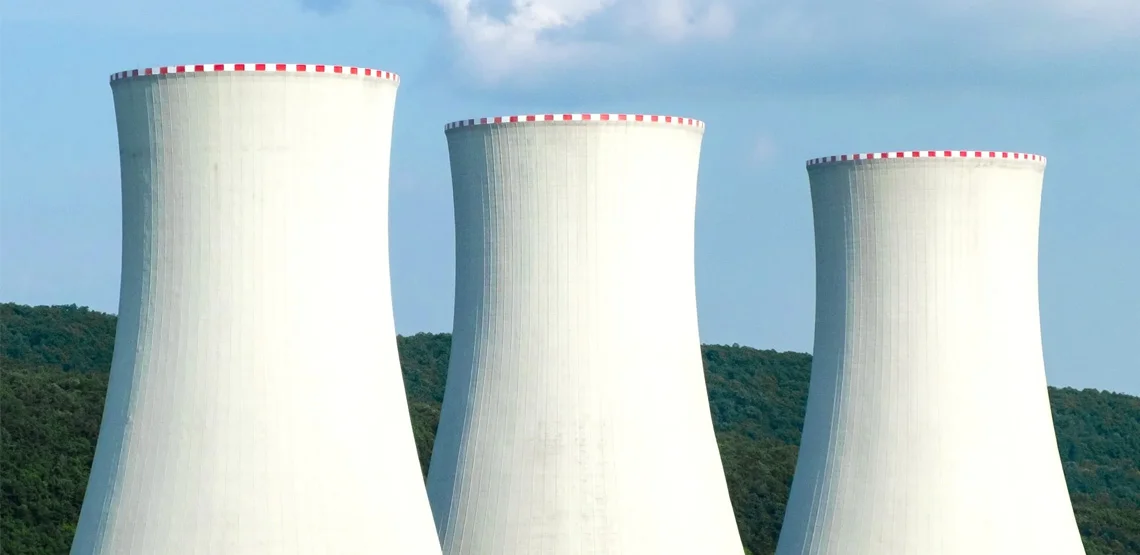
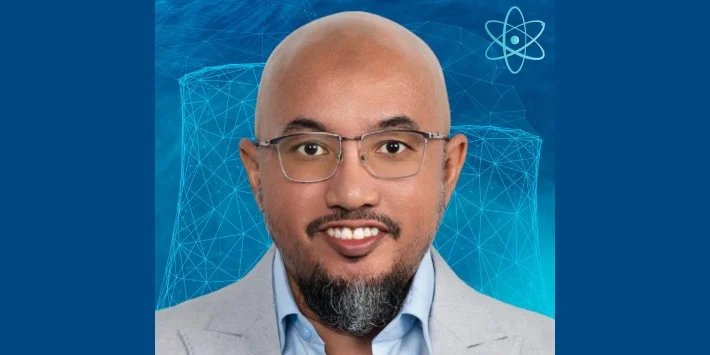
“India is not simply expanding its nuclear programme; it is fundamentally restructuring its market architecture,” said Zaf Coelho, global managing director for nuclear at the Nuclear Business Platform, which runs the conference. The reforms, he added, open the door for technology providers, construction firms, equipment makers, financiers and investors from around the world.
The speaker list tells its own story. Dr V.K. Saraswat of NITI Aayog and Dr K.N. Vyas, former chairman of the Atomic Energy Commission of India, represent the old guard of India’s nuclear establishment, alongside senior figures from NTPC’s nuclear arm and Tata Power. But it’s a newer name on the list that signals how much has changed: Adani. The conglomerate’s nuclear energy division, alongside Jindal Steel and Power, will send senior representatives, the clearest sign yet that companies built on coal, ports and steel now see a future in atomic power.
Diplomats are watching too. Nuclear attachés from the British High Commission and the French Embassy are both attending, suggesting India’s pivot is being tracked as closely in London and Paris as in Delhi.
Across two days, eight closed-door sessions will get into the detail: how risk and ownership will be split between government and private players, what India’s supply chain needs to build at scale, where small modular reactors fit in, and how the country’s fusion energy mission ties into the bigger picture. The exhibition floor, kept deliberately small at sixteen stands, will feature equipment and engineering firms including Flowmore, Walchandnagar Industries and Eaton, all positioning for contracts they hope will follow from this week’s conversations.
The platform’s history gives this edition some weight. Since 2018, INBP has drawn more than 2,000 participants from over 500 companies, produced more than 50 memoranda of understanding, and arranged over 200 private meetings between buyers and suppliers.
Whether India’s nuclear sector grows is no longer in question; the law has settled that. The question this week is who gets to build it. “The decisions made during the next decade will determine the future of India’s nuclear energy landscape for generations,” Coelho said. Six months after a law named for peace took effect, the race for a share of that future starts in a Mumbai conference room.