Blitz Bureau
NEW DELHI: India has crossed one of the most demanding thresholds in civilian nuclear technology. The 500 MWe Prototype Fast Breeder Reactor (PFBR) at Kalpakkam, Tamil Nadu, has attained first criticality — the controlled start of a self-sustaining chain reaction — carrying the country into the second stage of the three-stage nuclear programme envisioned by Dr Homi Bhabha.
Once fully operational, India becomes only the second nation after Russia to run a commercial fast breeder reactor. Fast breeders produce more fissile material than they consume, built around a closed fuel cycle that recycles material and cuts long-lived waste.
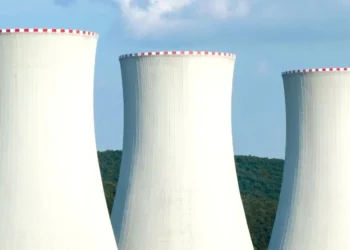
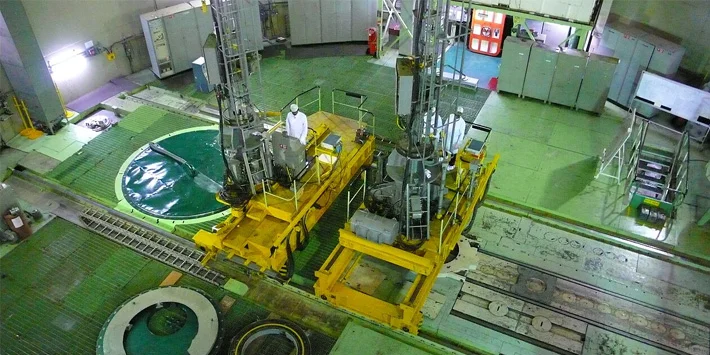
Kalpakkam nuclear power facility in Tamil Nadu, India
India has crossed a threshold only Russia had reached before — opening the door to a thorium-powered future decades in the making.
At a Glance
• Reactor: 500 MWe PFBR, Kalpakkam
• Milestone: First criticality, April 6, 2026
• Rank: 2nd after Russia with a commercial fast breeder
• Tech: Sodium-cooled, closed fuel cycle; enables thorium
Most consequential is the pathway it unlocks to India’s thorium reserves — among the largest on Earth. The second stage is the essential bridge to a thorium-fuelled third stage that could underwrite the nation’s clean-energy security for generations.
The journey was long: construction began in 2004, and the project navigated years of first-of-a-kind engineering challenges. That perseverance is the story — a scientific establishment that stayed the course and delivered a technology only one other country commands, entirely at home. Focus now shifts to a staged climb to full power.