

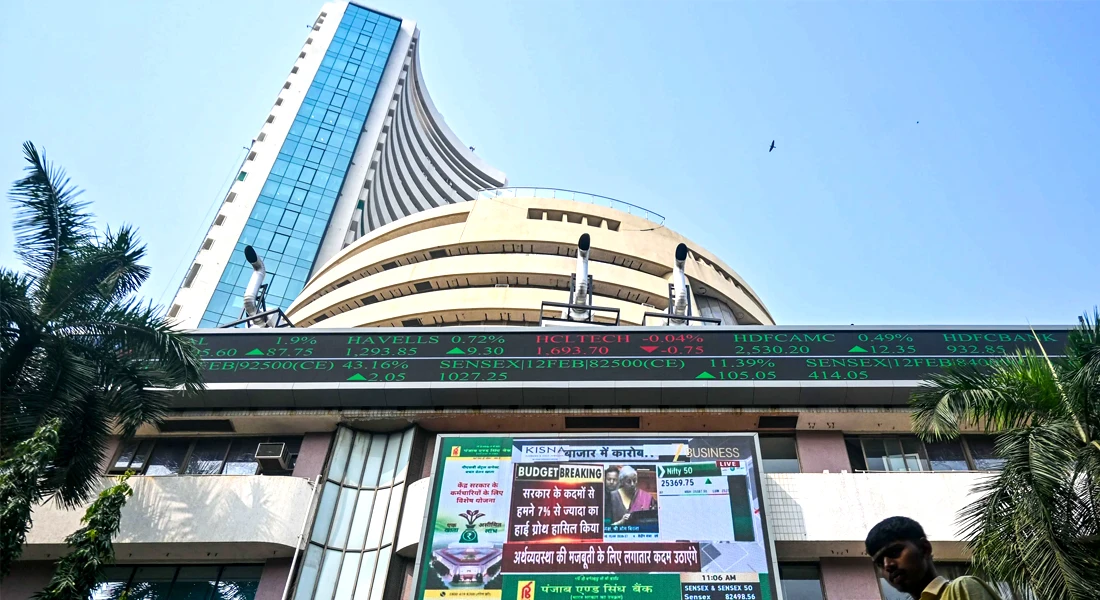
ndia’s markets found their feet. After a jittery, oil-pressured week, the Sensex closed Wednesday 130.49 points higher at 77,185.43, up 0.17%, and the Nifty 50 added 26.45 points to settle at 24,078.50. The gains were slim, and the indices surrendered a sharper morning rally, but the direction mattered: buying in banks, capital goods, consumer durables and oil-and-gas stocks was enough to offset weakness in metals, IT and consumer staples.
The backdrop remained the barrel. Brent crude held above $85 for a third straight session after fresh strikes on Iran and a renewed naval blockade near the Strait of Hormuz — the channel that carries roughly a fifth of the world’s oil and gas. The pressure pushed the rupee to a one-month low against the dollar, though the Reserve Bank of India is reported to have stepped in to limit the slide. For a big net importer of crude, that is the transmission line policymakers watch most closely.
A market that gives back its rally and still closes green on a genuine oil shock is doing its job. The fundamentals sit under the tape; the barrel sits on top of it.
Under the surface, the domestic story kept its own clock. The India–UK trade pact went live, a large mutual-fund IPO drew keen retail demand into its second day, and the June-quarter earnings season is thickening — each a reminder that a distant strait can dominate the headlines without deciding India’s direction. Crude is the swing variable: a durable spike would press imported inflation, while any de-escalation would quickly lift the mood.
The constructive read for the long-term saver is that a single risk-off week driven by events abroad does not rewrite India’s fundamentals — sector-leading growth, inflation inside the target band, and a deepening base of domestic investors that has repeatedly absorbed foreign selling. Days like this are the price of admission for an open, oil-importing economy; breadth, quality and a patient domestic bid remain the reply.