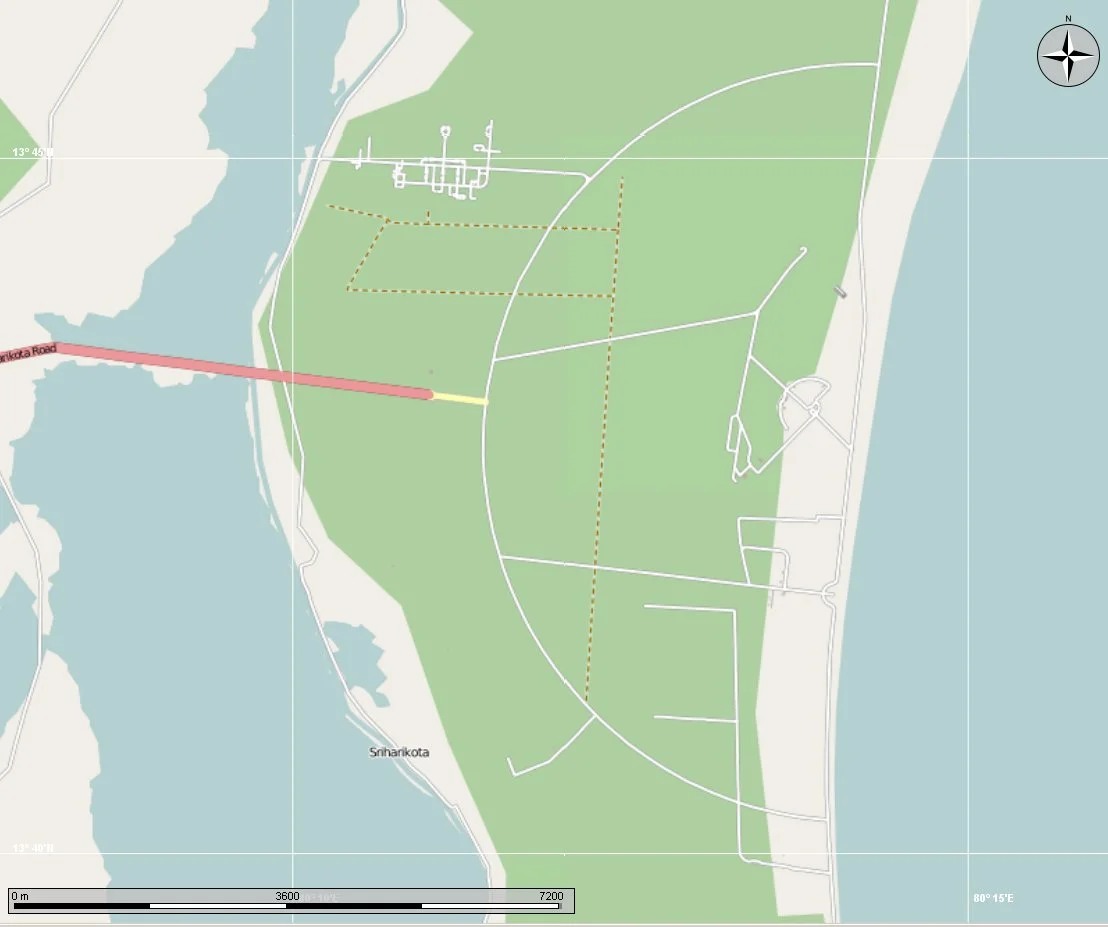
One of the most ambitious earth-observation missions ever built now has a date. The Indian Space Research Organisation has set July 30 for the launch of NISAR — the NASA-ISRO Synthetic Aperture Radar satellite — a joint spacecraft that will scan almost every land and ice surface on the planet twice every 12 days, seeing through cloud and darkness alike. It is the clearest sign yet of how far India’s space partnership and its home-grown launch capability have come.
NISAR’s value is intensely practical. Its dual-frequency radar can detect movements in the Earth’s surface down to the centimetre, tracking everything from sinking farmland and shifting glaciers to the early warning signs of landslides and the health of crops. For a country managing monsoons, coastlines and a vast agricultural base, a satellite that measures how the ground itself breathes is not a luxury — it is infrastructure for disaster preparedness, water management and food security.
A radar that can measure the Earth flexing by a centimetre is not about looking at space. It is about understanding the ground beneath a billion lives.
NISAR shares the stage with India’s human-spaceflight push. ISRO has just cleared three qualification tests on the Gaganyaan crew module — the system that rights the capsule after a sea landing, the mechanism that separates the crew and service modules, and the cover that shields the parachutes on descent. An uncrewed test flight, G1, carrying the half-humanoid robot Vyommitra, is targeted for late 2026 before any astronaut flies.
The constructive read is that India is building an entire space capability, not chasing a single spectacular. An earth-radar mission that serves farmers and city planners, and a crewed programme that refuses to rush safety, are two faces of the same maturity: technology aimed squarely at national need. The skills forged — in radar, materials and human-rating — will outlast any one launch and seed a generation of Indian engineers and the data that guides Indian policy.