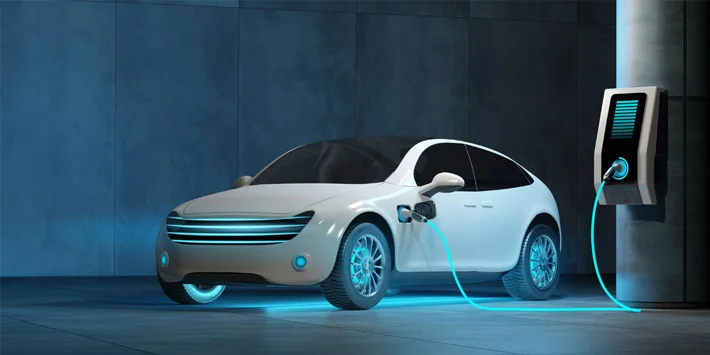
India’s switch to electric mobility has crossed a threshold that once looked distant. Electric vehicles took a record 12.5% of all vehicles sold in June, as retail sales hit an all-time high of about 3.06 lakh units — a 63% jump on a year earlier — according to dealers’ body FADA. For the first time, more than one in eight vehicles rolling out of Indian showrooms was electric, a milestone reached amid firm fuel prices and a widening choice of models.
The growth is broad, not narrow. Electric two-wheelers, still the backbone of the market, rose 75% to about 1.94 lakh units; electric cars more than doubled to 31,823, with Tata Motors holding the largest share; and even electric commercial vehicles surged. The overall auto market was strong too, with total retail sales up 21.8% to 2.56 million units — the best June the industry has ever recorded, electric and conventional alike.
The tipping point for electric mobility was never going to be a single flashy launch. It was always going to be an ordinary month when one in eight buyers simply chose to plug in.
There is real work behind sustaining the curve. Charging networks remain thin outside big cities, buyers still weigh resale value and battery life, and the transition must reach the small towns where two-wheelers do the daily commuting. The constructive answer is already visible: denser public charging, financing tailored to first-time EV buyers, and a domestic battery and components industry that turns imports into Indian-made value.
The way forward is to treat each record month as a base, not a peak. Every charging point installed, every rupee of local battery capacity added and every service technician trained widens the on-ramp for the next wave of buyers. India’s EV story is now less about proving demand exists and more about building the grid, the supply chain and the skills to keep the wheels — quietly, cleanly — turning.