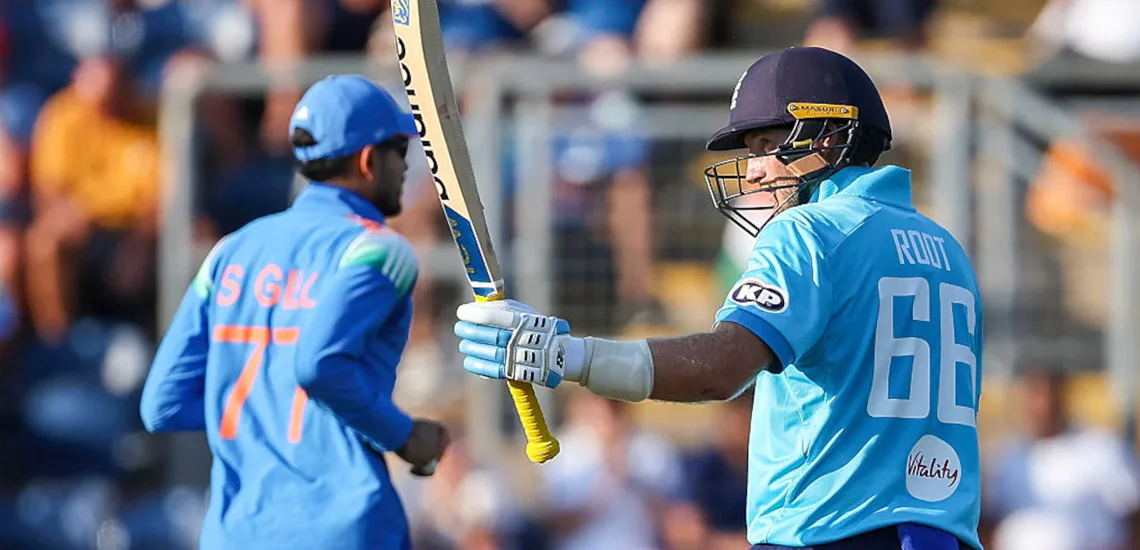
It has come down to the last day. India and England go to Lord’s on Sunday with their three-match one-day series locked at 1–1, the decider set for cricket’s most famous ground. Shubman Gill’s tourists drew first blood with a controlled six-wicket win at Birmingham, before England hit back to take the Cardiff match by four wickets and level things up — setting up a straight shoot-out at headquarters.
The finale is a test of temperament as much as talent. India’s template is unchanged — a deep batting order, a balanced spin-and-seam attack and the composure to build or chase a total under pressure — and the questions are about execution rather than reinvention: hold the nerve on a big occasion and close out the game. For a young side rebuilding across formats, a series won at Lord’s would be a marker of real progress on a hard tour.
Every touring side gets a hard week; the good ones are defined by the reply. India get theirs on the biggest stage of all.
Off the field, India’s culture beat stayed busy. July has been lively at the box office, with total collections nearing ₹317 crore across some 61 releases; the comedy Dhamaal 4 has crossed ₹90 crore and the action title Alpha added another ₹56 crore, with Telugu and Tamil films rounding out a genuinely multilingual market. Bollywood’s year-to-date net has passed ₹2,586 crore, led by the record-breaking Dhurandhar — breadth that keeps single screens and multiplexes working through the monsoon.
The constructive read is that neither sporting resilience nor cultural vitality is luck; both are the yield of patient systems — coaching pathways and talent scouting on one side, a vast production and exhibition ecosystem on the other. Applied steadily, that model turns a hard cricketing fortnight into the base of the next winning side, and a busy July at the movies into a durable, job-rich creative industry.