Blitz Bureau
NEW DELHI:
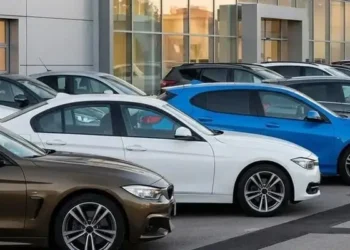
India bought cars in June like never before for the season. Passenger-vehicle dispatches from factories to dealers rose 24.1% year-on-year to 3,88,144 units, according to the Society of Indian Automobile Manufacturers — capping the industry’s best-ever first quarter, with roughly 1.27 million passenger vehicles sold between April and June, up almost 26%. Two-wheelers, the truer barometer of everyday and rural demand, grew 18.6% in the month.
The mix shows where the appetite lies. Utility vehicles remained the engine of the market, up 19.9% to 2,17,228 units, while passenger cars rose 15.7% to 98,610 and vans added a steadier 9.5%. Exports jumped 34% overall, a sign that India is increasingly a manufacturing base for the world as well as its own buyers. Threaded through it all is the electric surge: June’s total EV sales topped three lakh units across categories, with electric passenger cars roughly doubling on a year earlier.
Best quarter yet: A 24% jump in June passenger-vehicle sales and a record first quarter point to broad-based demand — with utility vehicles leading and exports up a third.
Cars are a confidence indicator on wheels. When a nation buys a record number of them, it is telling you something hopeful about how it reads the year ahead.
At a Glance
• June PV sales: 3,88,144 units, up 24.1% YoY
• Q1 FY27: ~1.27 million passenger vehicles, up ~26% — a record quarter
• Mix: UVs +19.9%; cars +15.7%; two-wheelers +18.6%; exports +34%
• Electric: June EV sales past 3 lakh units; e-cars roughly doubled YoY
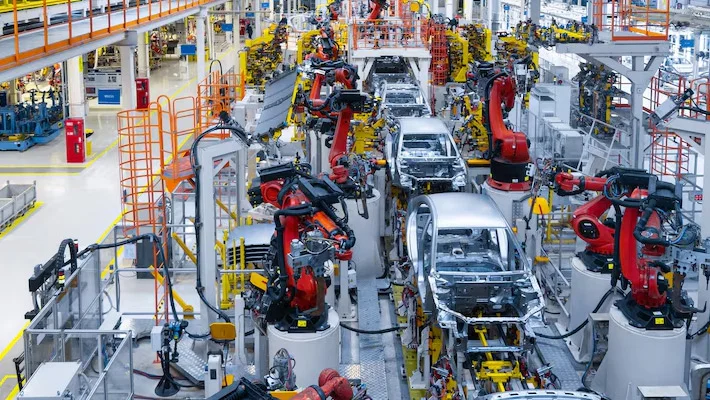
Why do vehicle numbers carry weight beyond the showroom? Because the auto industry is one of India’s biggest manufacturing employers, pulling along steel, tyres, electronics, glass and thousands of small component firms. A record quarter feeds order books far down that chain, and the strength in two-wheelers hints that demand is broadening beyond the cities into smaller towns and the countryside.
The constructive read is that the industry is firing on both cylinders at once — a strong conventional market and a fast-rising electric one. The way forward is to keep the momentum inclusive and clean: affordable finance so the surge reaches first-time buyers, a denser charging network so the EV shift keeps pace, and a deeper home-grown supply chain in batteries and chips so more of each vehicle is built in India. Handled well, a record quarter becomes a durable industry rather than a passing high.