Saji Chacko
NEW DELHI: For nearly two years, every defeat by P.V. Sindhu seemed to invite the same question: Is the champion finally past her best?
The criticism grew louder with every early exit, every injury setback and every tournament where the two-time Olympic medallist failed to reach the business end. The 31-year-old who had once been India’s most dependable performer on the global badminton stage suddenly found herself being judged by the lofty standards she had set over the last decade.
She had not a major title in the last three years and the knifes were out for her. Just when she was pushed into a corner came her fitting reply.
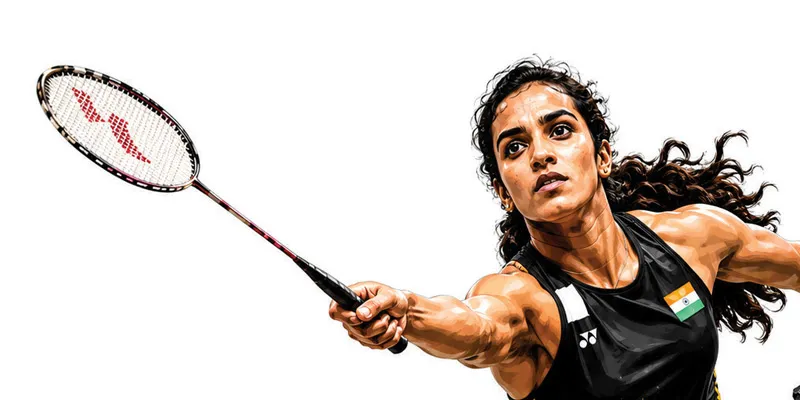
On July 19, in Tokyo, Sindhu delivered the perfect response—not through words, but with her racquet when she won the Japan Open.
Sindhu scripted one of the finest victories of her career by defeating reigning world champion and home favourite Akane Yamaguchi in straight games. In doing so, she became the first Indian to lift the coveted title and, perhaps more importantly, reminded the badminton world that champions should never be written off.
The significance of the victory extends far beyond the trophy.
For months, Sindhu had endured criticism over her inconsistent performances. Injuries had disrupted her rhythm, forcing her to spend long periods away from competition. Coaching changes, fluctuating form and a prolonged title drought led many to believe that the former world champion was no longer capable of challenging the sport’s elite.
SELF BELIEF
But elite athletes often possess one quality that statistics cannot measure—an unshakeable belief in themselves.
Sindhu carried that belief into Tokyo.
Throughout the tournament she looked a different player. Her movement across the court was sharper, her smashes carried greater authority and, perhaps most noticeably, she displayed the patience and tactical maturity that have always been hallmarks of her game. Against some of the world’s best players, she played with conviction rather than caution.
The final against Yamaguchi was expected to be the toughest examination. Sindhu dictated the rallies with her powerful attacking game, mixed aggression with intelligent shot selection and remained composed during crucial points.
Winning in straight games against the reigning world champion on home soil was no ordinary achievement. It was a statement victory.
What made the triumph even more satisfying was the manner in which Sindhu handled the pressure. There were no dramatic celebrations after every point or emotional outbursts. She remained focused, displaying the calm confidence of a player who believed her moment had finally arrived.
For Indian badminton, the title is another reminder of Sindhu’s enduring legacy.
Few players have carried the nation’s expectations as consistently as she has over the last decade. From Olympic medals to a World Championship gold and multiple medals at the biggest international events, Sindhu has repeatedly delivered when India needed a champion. Yet success often comes with an unfair burden—the expectation that every tournament must end with a trophy.
That standard is both a compliment and a challenge. It reflects the extraordinary benchmark Sindhu herself established. However, it also meant that every lean phase became magnified.
The Japan Open victory has shifted that narrative.
Rather than discussing decline, conversations have once again turned to possibilities. With the World Championships approaching and the race towards the next Olympic cycle gathering momentum, Sindhu has re-entered the list of genuine contenders. Her confidence has been restored, and equally important, so has the belief of those who support Indian badminton.
The Japan Open title may not erase the struggles of the past two years, but it has reaffirmed one timeless truth about great champions—they possess an extraordinary ability to rise when the world begins to doubt them.