Blitz Bureau
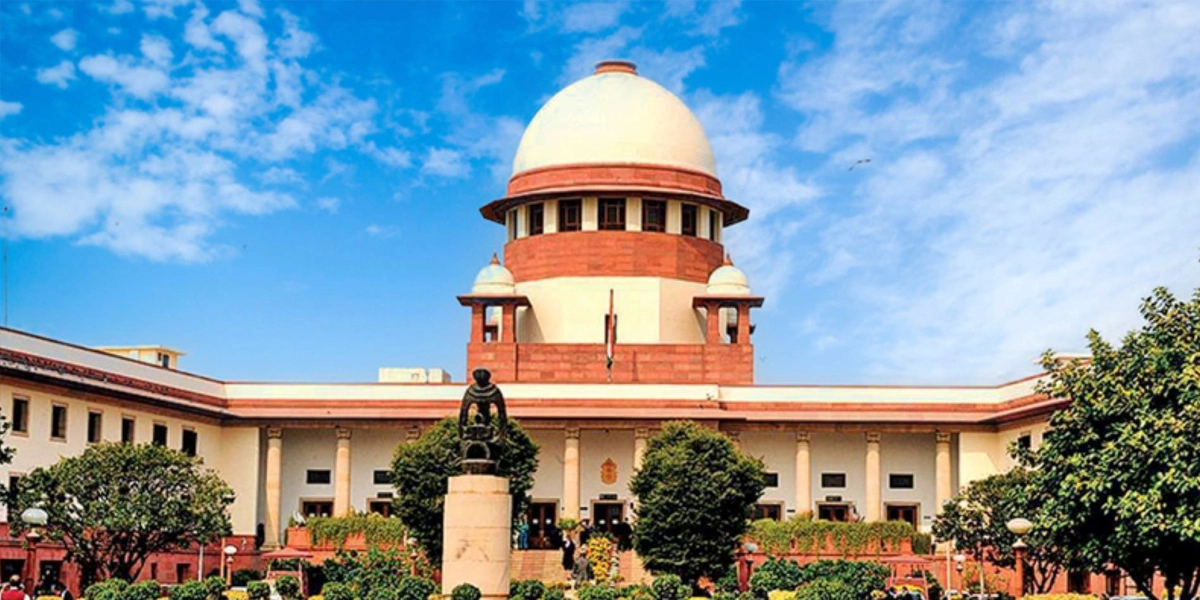
NEW DELHI: The Supreme Court on July 24 said it would “very closely monitor” the Centre’s road map for institutional reforms in the National Testing Agency (NTA) and measures to prevent future paper leaks. It also directed the Government to file a comprehensive affidavit detailing its proposals, including the feasibility of shifting NEET to a computer-based testing (CBT) mode.
A Bench of Justices P.S. Narasimha and Alok Aradhe, hearing a batch of petitions seeking structural reforms in the conduct of the NEET- posted the matter for further hearing on July 27 after Solicitor General Tushar Mehta sought a few days’ time to present a “holistic view” of the reforms being undertaken.
Appearing for the Centre, SG Mehta submitted that there had been “some development” and requested that the matter be taken up after a few days so that the government could place a comprehensive picture before the top court.
However, the Justice Narasimha-led Bench said the proposed affidavit must specifically address the institutional reforms required to strengthen the examination system.
Referring to the recommendations of the high-powered committee headed by former ISRO Chairman K. Radhakrishnan, the Supreme Court said the government should indicate the proposed structure of the NTA’s governing board, how transparency and stakeholder participation would be ensured, and the manner in which domain experts, including institutions such as the IITs, would be involved in improving the examination framework.
In response, Mehta said the Centre would place on record the entire process, “right from the printing press till the time the student gets the paper”.
During the hearing, the Supreme Court observed that reliance on temporary arrangements could not become a permanent solution.