Blitz Bureau
NEW DELHI: The BWF World Championships open at the Indira Gandhi Arena on August 17 — the first time badminton’s premier individual title has been decided in India since 2009. In the seventeen years between the two hostings, the sport in this country changed beyond recognition.
When India last staged the event, in Hyderabad in 2009, an Indian in the last eight was a headline in itself. The country now arrives at its own championships expecting seeds, and that shift — from participation to expectation — is the real measure of the intervening period. This 30th edition runs to August 23 and is expected to draw close to 800 players from more than 55 countries, a field size that tells you something about the sport’s spread rather than merely its prestige. It also lands in a crowded calendar: the Asian Games in Aichi-Nagoya begin on September 19, five weeks later, which turns Delhi into both a world title and a form guide.
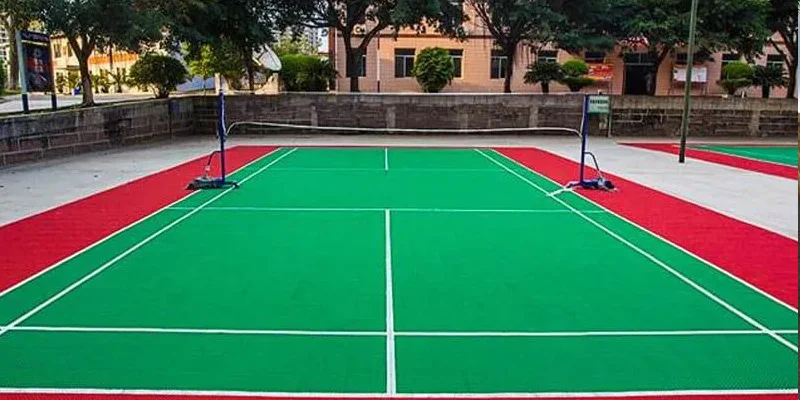
Home drift: indoor badminton is decided partly by air. Hall temperature, humidity and ventilation change how far a shuttle carries — which is why a fortnight of practice in the same arena is worth more than the crowd.
The advantage of playing at home in this sport is not noise. It is knowing exactly how far the shuttle travels in that particular hall.
At a Glance
• Event: BWF World Championships 2026, the 30th edition
• Dates: August 17 to 23, 2026
• Venue: Indira Gandhi Arena, New Delhi
• Last held in India: 2009 — a gap of seventeen years
• Field: close to 800 players expected from more than 55 countries
• Next on the calendar: the Asian Games in Aichi-Nagoya, Japan, from September 19 to October 4
There is a technical reason home advantage is unusually real in badminton, and it has nothing to do with the crowd. A shuttlecock is a feathered projectile that decelerates sharply, and how sharply depends on air temperature, humidity and the movement of air inside the hall. Players describe halls as “fast” or “slow” for exactly this reason, and adjusting to a drift can cost the first game of a match. A squad that has trained for a fortnight in the arena where the final will be played has absorbed that adjustment before the draw is made. It is the sort of edge that does not appear in any preview and shows up in the third set.
The larger opportunity is one Indian sport has learned to use well over the past decade: a home world championship is a recruiting event as much as a competition. Seventeen years ago a child watching the Hyderabad edition had to imagine a career; a child in the Indira Gandhi Arena stands this month can watch one being conducted in front of her, in her city, by people who came through the same district-level system she is in. The federations that convert that fortnight into sustained enrolment — open sessions, school tie-ups, coaching clinics scheduled in the same weeks — will get more from hosting than any medal tally can show. India has the courts and increasingly has the coaches. What a home Worlds supplies, and nothing else does, is the sight of it happening next door.