Blitz Bureau
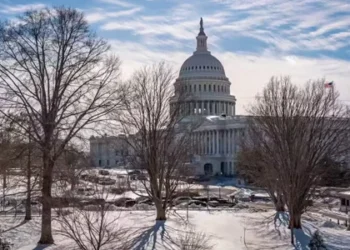
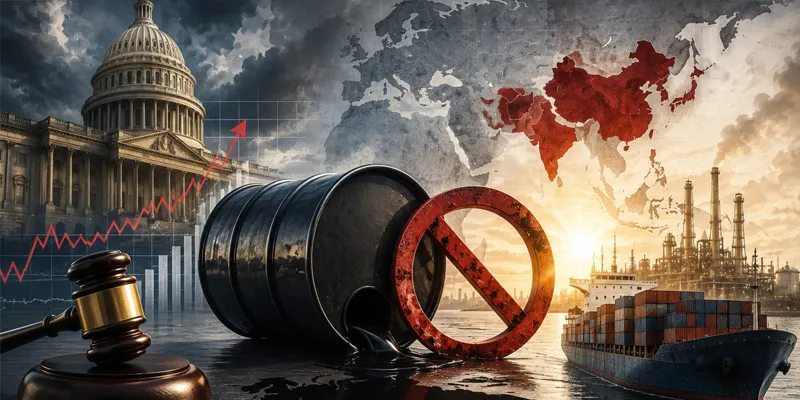
NEW DELHI:The US Senate on August 7 passed a bill that could impose tariffs of up to 100 per cent on India, China and three other countries over their purchases of Russian oil and gas, in a move lawmakers say is aimed at squeezing Moscow’s war financing in Ukraine. The bill passed with an overwhelming 86-11 vote and has been renamed the Lindsey O.
Graham Sanctioning Russia and Iran Act of 2026, after the Republican senator who authored and championed it before his death on July 11, following a visit to Kyiv.
India is the secondlargest buyer of Russian crude after China, and this bill directly threatens Indian exports to the US with tariffs on top of the 50 per cent already in place since August 2025.
India is the second-largest buyer of Russian crude after China, and this bill directly threatens Indian exports to the US with tariffs on top of the 50 per cent already in place since August 2025.
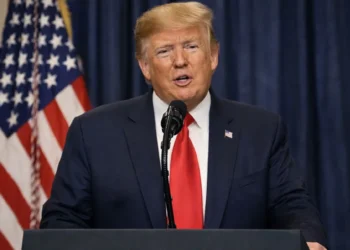
The legislation gives President Donald Trump the authority to impose tariffs of up to 100 per cent on goods from the five countries that are currently the largest importers of Russian oil and gas: China, India, Azerbaijan, Hungary and Slovakia.
It also extends the expiration date of the Iran Sanctions Act of 1996 which penalises companies investing in Iran’s energy sector to 2031.
Fresh sanctions
Meanwhile, the bill imposes fresh sanctions on Russian President Vladimir Putin, along with Russian oligarchs, senior officials and financial institutions tied to the Kremlin.
The bill does not trigger tariffs automatically. It hands the President discretionary authority to impose them, with implementation depending on the final legislative text and executive decisions once it becomes law.
India has emerged as one of the world’s largest buyers of discounted Russian crude since the Ukraine war reshaped global energy markets in 2022, a shift that has helped Indian refiners manage costs and secure stable fuel supplies. That reliance deepened further after the conflict in West Asia disrupted shipping through the Strait of Hormuz, pushing Indian refiners to lean more heavily on Russian oil as an alternative.