Blitz Bureau
NEW DELHI: Roughly 29 per cent of India’s southwest monsoon rainfall and about 20 per cent of kharif sowing happen in August. That single pair of numbers explains why a month that produces few headlines decides more of the farm year than the months that produce many.
This season the arithmetic is tight. The India Meteorological Department’s second long-range forecast placed the season at 90 per cent of the long period average, give or take four percentage points. ICRA expects cumulative kharif sowing to come in 1–2 per cent lower year on year, and agriculture, forestry and fishing gross value added to grow about 1.2 per cent in FY27, with risks to the downside.
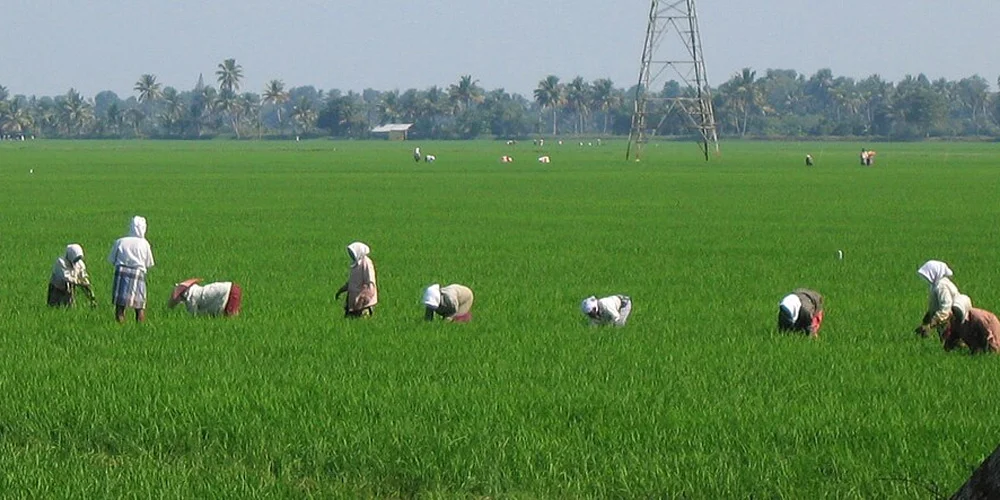
Kharif sowing during the southwest monsoon. Photo: to be sourced copyright-clean from the Ministry of Agriculture & Farmers’ Welfare or ICAR release imagery (GODL-India).
A shortfall in rain is a weather event. A shortfall in the response to it is a policy choice — and the response machinery this year is unusually specific.
At a Glance
• August share of monsoon rain ~29 per cent
• August share of kharif sowing ~20 per cent
• IMD 2nd long-range forecast 90 per cent of LPA, ±4 percentage points
• ICRA kharif sowing estimate Down 1–2 per cent year on year
• Agri GVA, FY27 (ICRA) ~1.2 per cent growth
What is different this year is the specificity of the advisory machinery. District-level Krishi Vigyan Kendras are issuing weather-based crop advisories; the standing guidance for rain-fed areas is a shift away from water-intensive paddy towards short-duration pulses, millets and oilseeds; and ICAR contingency crop plans exist, district by district, for drought-prone areas. The instruments are in place. The variable is uptake.
That is the honest way to hold this story. A below-normal August is a challenge, not a verdict — India has finished monsoon seasons stronger than they started more than once, and reservoir storage, rabi carry-over and the pulses and oilseeds mix all still have room to move. The number to watch through the rest of the month is not the rainfall departure alone, but the sowing gap against normal, published weekly by the Agriculture Ministry. That is where recovery, if it comes, will show up first.