Blitz Bureau
NEW DELHI: Indian equities rebounded on Thursday because global bond yields eased. They rebounded despite crude, not because of it — and the crude number is the one that reaches an Indian household budget without passing through a demat account.
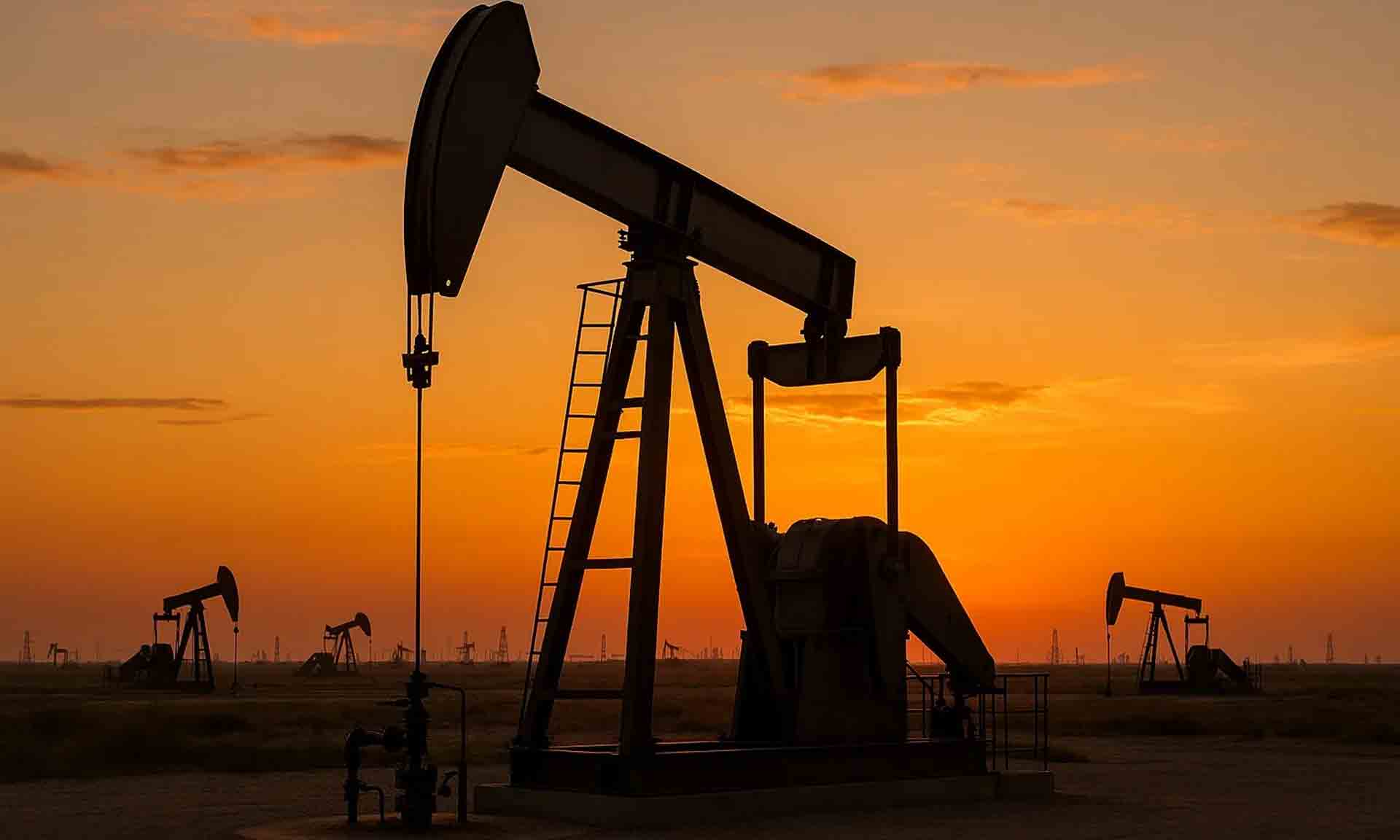
Brent crude rose toward $92 a barrel on Wednesday, 19 August, extending gains for a fourth consecutive session as the United States and Iran showed no sign of an agreement to reopen the Strait of Hormuz. The strait is the single most concentrated chokepoint in the seaborne oil trade, and India — which imports the overwhelming majority of the crude it refines — is among the economies most directly exposed to a sustained closure premium.
The exposed route: A crude carrier at sea. A large share of India’s imported crude is loaded in the Gulf and must transit the Strait of Hormuz, which is why a Hormuz risk premium translates into an Indian import bill faster than into most other economies’.
An equity market can price a bond yield in a morning. A refinery prices a barrel over months, and a household prices it at the pump.
At a Glance
• Brent: toward $92 a barrel, 19 August, fourth consecutive session of gains
• Cause: no agreement between the United States and Iran on reopening the Strait of Hormuz
• Iran’s position: conditions must be met before the strait reopens
• Market read: shipping attacks in the region have dented hopes of a negotiated breakthrough
• Indian equities, 20 August: Sensex +0.82%, Nifty +0.64%, on easing US Treasury yields
• Offsetting factor cited by analysts: crude prices, described as a shadow over inflation and corporate profitability
• Rupee: firmer on the day, alongside a weaker dollar
• Transmission channels: import bill, current account, fuel retail prices, freight and input costs
Vinod Nair, head of research at Geojit Investments, set out the two forces plainly after Thursday’s close: markets found relief after the US Treasury moved to contain the surge in global bond yields, dragging the dollar down and improving the attractiveness of emerging markets, but “the market’s optimism remains guarded as stubbornly high crude oil prices, driven by unresolved US-Iran tensions, continue to cast a shadow over inflation and corporate profitability.”
The mechanism by which this reaches a household is not mysterious. A higher landed crude price raises the import bill, which widens the current account deficit, which weighs on the rupee, which raises the rupee cost of the next cargo. Refining margins absorb some of it, the fuel retail structure absorbs some of it, and the remainder shows up in transport and freight costs, which is how a barrel priced in Rotterdam ends up in the price of a bag of cement in Bhopal.
India’s structural answers to this are already in motion and are worth naming, because they are the reason the exposure is smaller than it was a decade ago: a diversified crude basket that no longer leans on a single region, strategic petroleum reserve capacity, a domestic gas grid, ethanol blending in petrol, and an electricity system in which renewables now carry a substantially larger share of installed capacity. None of these makes a Hormuz premium painless. All of them make it survivable.
The honest position for a reader is that this is a risk to watch rather than a crisis to price. The strait has not closed; a premium is being charged for the possibility that it might. If the negotiation moves, the premium unwinds quickly, as it has in previous episodes. If it does not, the transmission into Indian inflation is slow, partial and manageable — and the policy tools to manage it are the ones already built.