
Blitz Bureau
NEW DELHI: A fisheries meeting in New Delhi is easy to overlook. What was agreed sits at the centre of India’s Indian Ocean strategy, and of a great many household incomes.
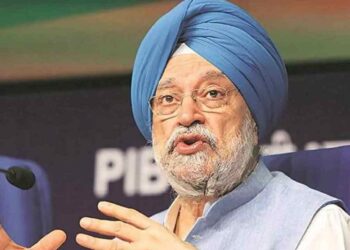
The Ministry of Fisheries, Animal Husbandry and Dairying convened a high-level bilateral meeting in New Delhi on 25 August 2026 with a delegation from Seychelles led by its Minister of Fisheries, Agriculture and Blue Economy, Wallace Cosgrow. Both sides recognised the fisheries sector and the wider blue economy as critical pillars for driving economic growth, generating rural employment and advancing sustainable development, and agreed a collaborative road map for sustainable use of marine resources.
The reason a small island state matters here is arithmetic rather than protocol. Seychelles is a fraction of India’s size by population but commands one of the largest exclusive economic zones in the western Indian Ocean, sitting astride the tuna grounds and the sea lanes that carry a large share of India’s energy imports. Cooperation on fisheries science, stock assessment and monitoring in that stretch of water is not a courtesy; it is how a coastal state finds out what is being taken out of its ocean, and by whom.
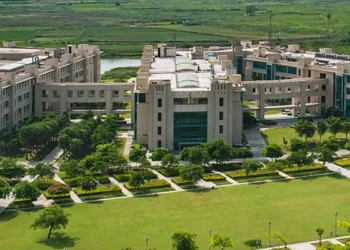
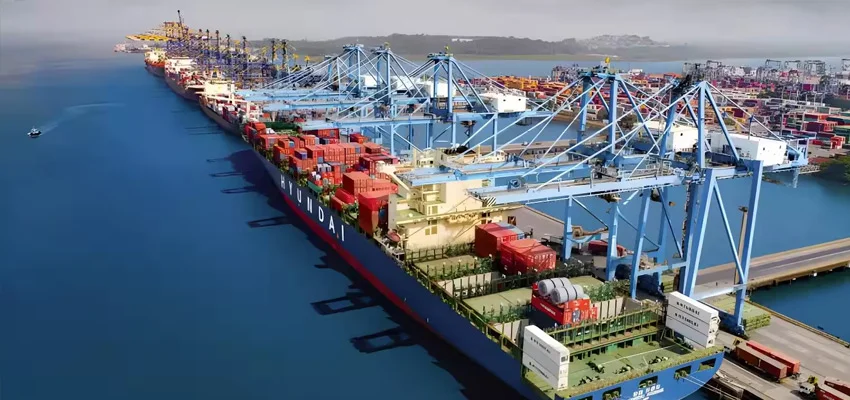
The wider frame. Jawaharlal Nehru Port. India’s blue economy runs from container terminals to fishing harbours; the Seychelles engagement concerns the second, which is where employment is densest and data thinnest.
A trawler owner in Kollam and a tuna longliner out of Victoria are fishing the same ocean. Only one set of rules can tell either of them what is left in it.
At a Glance
• Meeting: India–Seychelles high-level bilateral, New Delhi, 25 August 2026
• Convened by: Ministry of Fisheries, Animal Husbandry & Dairying
• Seychelles delegation led by: Minister Wallace Cosgrow
• Agreed pillars: fisheries, aquaculture, scientific research, capacity building
• Stated purpose: economic growth, rural employment, sustainable development
• Regional frame: food and nutritional security across the Indian Ocean Region
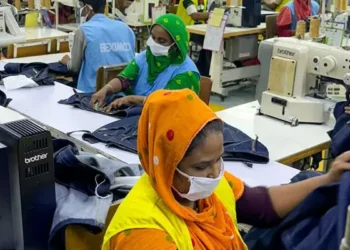
For Indian readers the domestic stake is the larger one. Fisheries is among the few sectors where a modest capital item — a boat, an ice box, a pond — supports an entire household, and where the difference between subsistence and a good living is made by cold chain, quality certification and market access rather than by catching more fish. Every element on the agreed agenda — aquaculture, advanced scientific research, capacity building — is the kind of technical cooperation that shows up years later in the price a fisherman gets, because it is what allows Indian marine produce to clear the standards of demanding export markets.
The way forward is to give this road map a measurable spine. Joint stock assessment in the western Indian Ocean, shared vessel-monitoring data, mutual recognition of sanitary certification so that consignments are not held at foreign ports, and training slots for Seychellois technicians at Indian fisheries institutes are all deliverables that can be counted within a year. India has the research capacity and the training infrastructure; Seychelles has the ocean and the tuna. The declaration on Tuesday said both sides intend to translate diplomatic commitments into result-oriented action plans. That is the correct sentence. The test of it will be whether next year’s meeting can open with numbers instead of intentions.