India go into the Women’s Asia Cup as the most successful side in its history, and as the side that lost it last time. Both facts are the story.
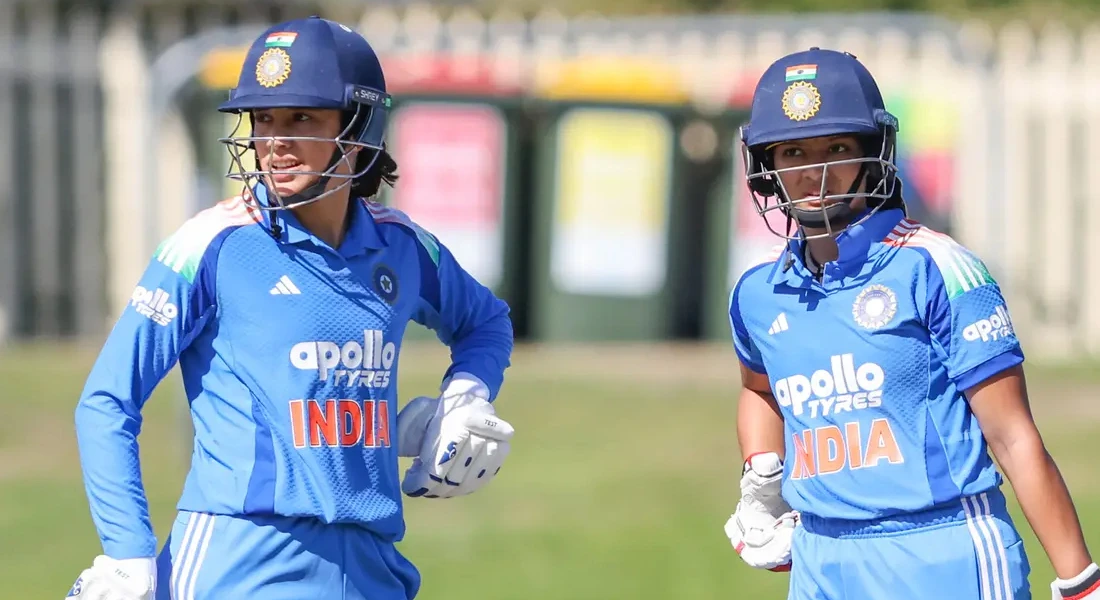
The Women’s T20 Asia Cup opens at the Dubai International Stadium today, 28 August 2026, and runs to 13 September, with eight teams competing for the continental title. India, captained by Harmanpreet Kaur, begin against Thailand on 30 August, meet Hong Kong China on 3 September, and play Pakistan on 5 September. Smriti Mandhana and Shafali Verma lead the batting in a fifteen-member squad.
India have won seven of the nine editions played — a record of dominance without parallel in any Asian team competition — and arrive as the holders of nothing, having lost the 2024 final to Sri Lanka. That combination is a more interesting starting position than either fact on its own. A side that has won almost everything and just lost the last one is a side with both the depth to expect victory and the recent evidence that it is not automatic.
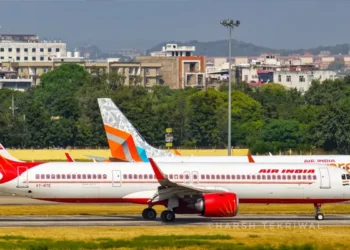
Eight teams, seventeen days, one stadium. The 2026 Women’s Asia Cup runs from 28 August to 13 September at the Dubai International Stadium. Declared exception under BIMG/CIR/2026/02: file photograph used because the tournament’s first ball had not been bowled at the time of filing.
Eight teams is not a formality. It is the number at which a continental tournament stops being a procession and starts being a competition.
At a Glance
• Tournament: Women’s T20 Asia Cup 2026
• Venue and dates: Dubai International Stadium, 28 August to 13 September 2026
• Teams: eight
• India’s record: winners of seven of the nine editions played
• Captain: Harmanpreet Kaur, leading a 15-member squad
• India’s group fixtures: Thailand 30 August; Hong Kong China 3 September; Pakistan 5 September
The expansion to eight teams is the quiet development in this edition, and it matters more than the seeding.
Continental tournaments grow their playing base by giving developing sides fixtures against the best, and a Thailand or a Hong Kong China that plays India at a major venue takes home a standard to train towards rather than a scoreline. Indian women’s cricket itself made that journey inside two decades, and every senior player in the current squad came through a system that was built during it.
For the Indian viewer the practical detail is the calendar: the group stage runs into the first week of September, and the tournament closes on 13 September. For the wider sporting question — what a fortnight like this leaves behind — the answer will be visible not in Dubai but in the domestic season that follows, in whether the state associations convert two weeks of prime-time women’s cricket into filled age-group squads. That conversion is the part of the pipeline that India has been getting steadily better at, and it is the part worth watching after the trophy is handed over.