Blitz Bureau
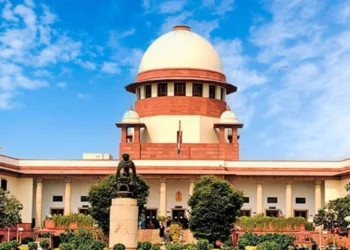
NEW DELHI: The Supreme Court has directed the Centre to place before it, within four weeks, a comprehensive and uniform proposal on the functioning of tribunals across the country, underlining that these quasi-judicial bodies cannot be permitted to become dysfunctional or defunct.
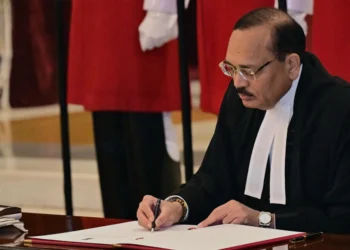
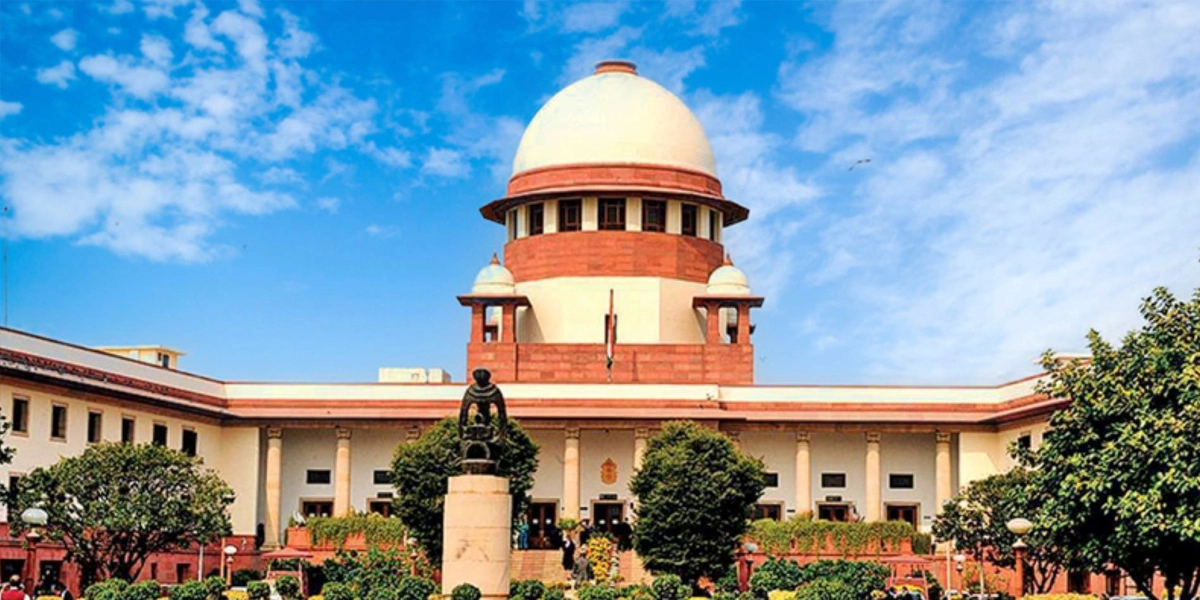
A Bench comprising Chief Justice Surya Kant and Justices Joymalya Bagchi and Vipul M Pancholi was on February 16 hearing the long-standing matter of Madras Bar Association, a case centred on the independence and structural integrity of tribunals. The Bench made it clear that the Centre must take a considered and holistic call on the future of the tribunal system and present a scheme for judicial scrutiny.
“Let the institutions not be defunct. The Government has to take a call. Bring a proposal before us for judicial consideration,” observed the Bench. The court indicated that the proposal should encompass all tribunals — whether constituted under the Constitution or created by statute, and may include legislative amendments if the Centre deems them necessary.
Appearing for the Union, Attorney General R Venkataramani suggested that, as an interim measure, chairpersons could be allowed to continue either until they attain the age of superannuation or until the selection process for their successors concludes, whichever is earlier.
The Bench recorded this submission while granting the Government four weeks to finalise its broader plan. In the meantime, the court permitted Justice Rajesh Khare to continue as Chairperson of the Debt Recovery Appellate Tribunal (DRAT) until further orders. The Chairperson of DRAT Kolkata was also allowed to remain in office. The brief order stated that until a holistic proposal is placed before the court, these arrangements would continue to ensure that the tribunals do not grind to a halt.
The latest direction comes in the backdrop of the Supreme Court’s judgment in November last year striking down key provisions of the Tribunal Reforms Act, 2021. The court had held that Parliament had effectively resurrected provisions that had already been invalidated in earlier rulings, amounting to an impermissible “legislative override”.
A Bench, led by then CJI Bhushan R Gavai, had ruled that the 2021 Act merely “repackaged” what had been struck down in the Madras Bar Association cases (MBA-IV and MBAV), without curing the constitutional defects previously identified. Among the provisions invalidated were the uniform four-year tenure for tribunal members and the minimum entry age of 50 years – measures the court found arbitrary and detrimental to judicial independence. Notably, the court had also proposed the establishment of a National Tribunals Commission as an institutional safeguard to ensure uniform administration and insulation from executive control – a reform that remains pending.