Blitz Bureau
NEW DELHI: Amid escalating tensions in the Gulf region due to the US-Israel attack on Iran and the latter’s retaliatory strikes on Kuwait, Qatar, Bahrain, Dubai, Abu Dhabi and Saudi Arabia; gas supplies through the Strait of Hormuz have come to a standstill.
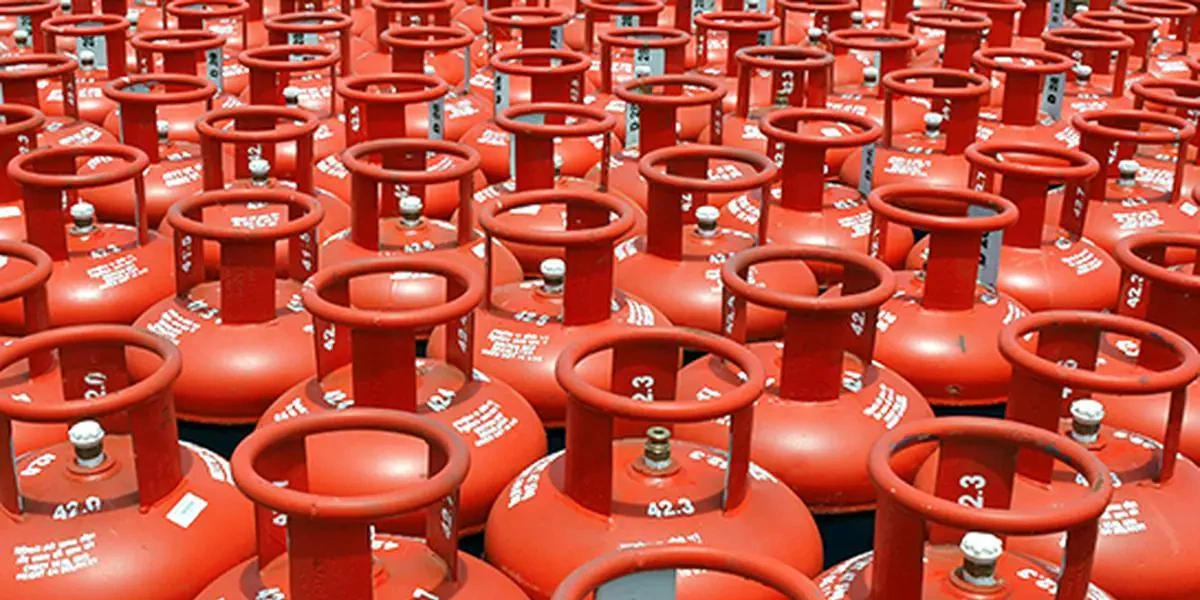
Fearing shortages, the Indian Government has moved quickly to safeguard household access to cooking gas by directing refineries to boost production of liquefied petroleum gas (LPG) and prioritise domestic consumption.
The urgency has been heightened by a sharp rise in LPG cylinder prices adding to pressure on both household budgets and the hospitality sector. At the same time, shortages of liquefied natural gas (LNG) and piped natural gas (PNG) in several cities have begun disrupting kitchens in homes and eateries.
Beyond households
The ripple effects are also being felt beyond households. Disruptions in LNG supplies – much of which comes from West Asia – have affected gas availability for fertiliser plants, forcing some units to cut output.
Invoking the Essential Commodities Act, 1955, the Ministry of Petroleum and Natural Gas has sought diverting natural gas to certain priority sectors with a tiered structure. In a Gazette notification dated March 9, the ministry underlined domestic PNG, CNG for vehicular fuel, and LPG production alongside fertiliser manufacturing, tea industries, manufacturing and other industrial consumers, among the priority sectors. The ministry has announced that oil refineries across the country have been instructed to ramp up LPG output and channel the additional production specifically towards household supplies. The move is aimed at insulating consumers from supply shocks.
Monitoring stocks
The Government is also working closely with state-run oil marketing companies – Indian Oil Corporation, Bharat Petroleum and Hindustan Petroleum – to monitor cylinder stocks and streamline distribution across states. Senior officials said daily reviews are being conducted to track refinery output imports and delivery schedules.
The Government has also introduced a 25-day inter-booking period for LPG refills to prevent panic buying, hoarding and black-market diversion of subsidised cylinders. Officials say the measure is intended to ensure that available supplies are distributed evenly among households during the current period of uncertainty.
India is one of the world’s largest consumers of LPG, with more than 320 million domestic connections, and ensuring uninterrupted cooking fuel supply has been a key policy priority.
Officials emphasised that despite the geopolitical turmoil, energy imports into the country remain stable. Union Petroleum Minister Hardeep Singh Puri said the Government was closely monitoring developments and had already activated contingency plans. “Uninterrupted energy imports are flowing into India from routes that are not impacted by the conflict and we are taking all necessary steps to ensure availability of energy to our citizens,” Puri said after discussions with energy officials and industry representatives.
PM warns against hoarding of LPG
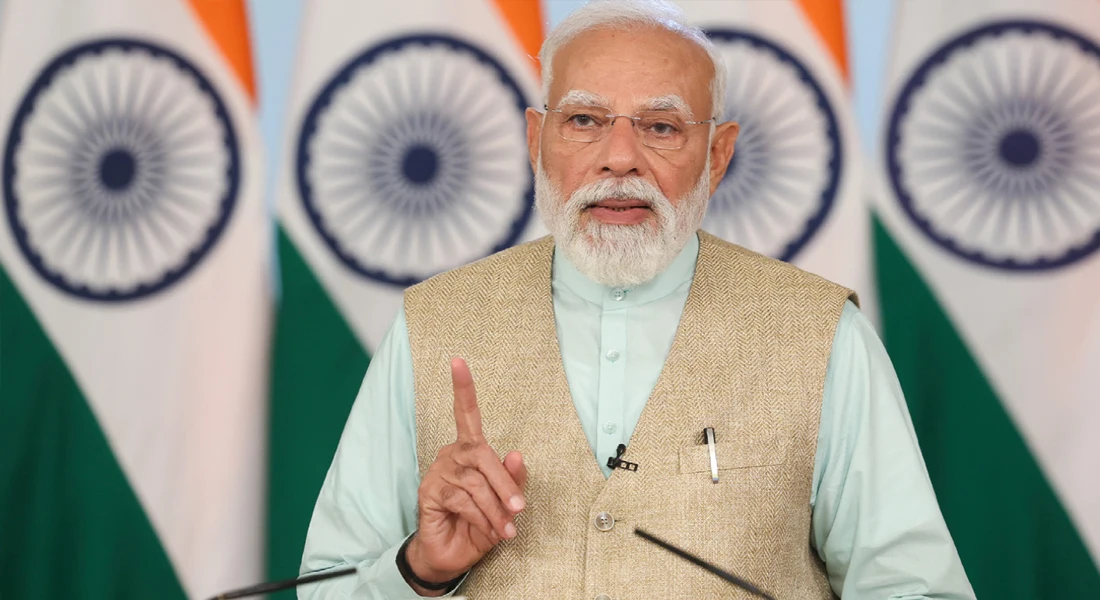
Prime Minister Narendra Modi last week hit out at those trying to create panic on the LPG situation in India, and said they were not only exposing themselves before the people but also hurting the country.
Address – ing a summit in New Delhi, Modi also said that due to the ongoing conflict in West Asia, no nation has remained unaffected, but India is fully committed to addressing this challenge and is leaving no stone unturned to safeguard its energy security.
He also said that some people are trying to black-market certain products by taking advantage of the present situation, and warned that action will be taken against such unscrupulous elements.