Blitz Bureau
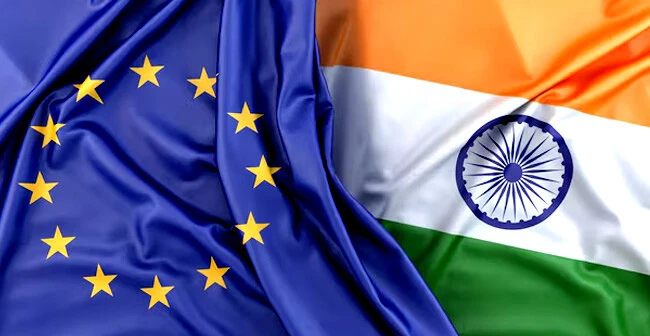
NEW DELHI: Europe will be in sharp focus in India’s diplomatic calendar over the next few weeks, with high-profile visits by German Chancellor Friedrich Merz, European Union leaders Ursula von der Leyen and Antonio Costa and French President Emmanuel Macron. Coming at a time when India-US trade deal is struck due to President Donald Trump’s tariff tantrums, these upcoming visits indicate a subtle shift in India’s policy towards the West. Union Commerce Minister Piyush Goyal, meanwhile, has landed in Brussels to give political momentum to India’s ongoing FTA talks with the European Union.
A new salience
With European Commission President Ursula von der Leyen and European Council President Antonio Costa schedule to attend India’s Republic Day celebrations as Chief Guests, the FTA talks started in November last year are reported to have reached final stages. India already has deep and long-standing relations with the European countries. But these have acquired a new salience amid ongoing global competition between the US and China.
Conscious effort
German Chancellor Merz is set to pay an official visit to India on January 12-13, at the invitation of Prime Minister Narendra Modi. During his first visit to India, Merz will travel to Ahmedabad and Bengaluru. Germany is one of India’s most important economic partners in Europe, Merz is expected to review with PM Modi ongoing initiatives, while exploring new areas of cooperation amid shifting global economic and security dynamics. The two will also engage with business and industry leaders and discuss regional and global issues.
The German Chancellor’s visit will be followed by French President Emmanuel Macron’s visit to India early next month to participate in the India AI Impact Summit set to take place from February 16 to 20, in New Delhi. . External Affairs Minister S Jaishankar and Commerce Minister Goyal have already visited these major European countries to prepare the agenda for their leaders’ high-profile talks with PM Modi.
India’s outreach to EU and major countries in the European continent is a conscious effort to safeguard its national interests. Deeper bilateral and multilateral engagement with the UK and major EU partners, like France and Germany, is not only to ‘de-risk’ the impact of changing US policies, but chart out a roadmap for shared prosperity and development. Apart from a growing market, India offers a large pool of skilled professionals hemmed by US restrictive visa regime to Europe.