Blitz Bureau
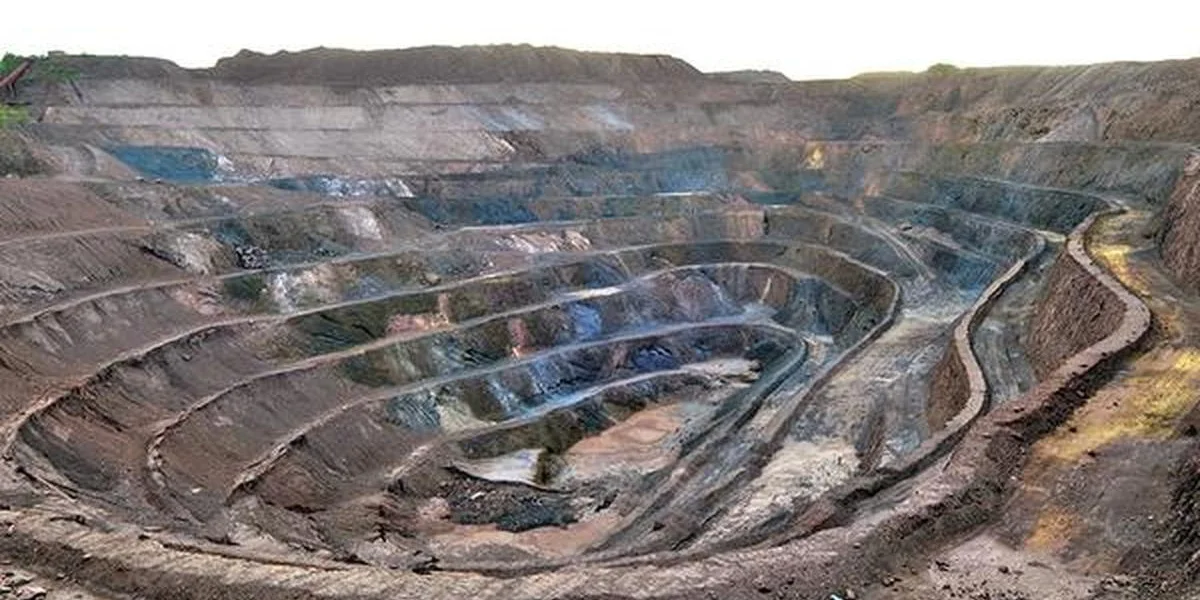
NEW DELHI: THE U.S. and Congo signed a minerals pact in December, and Kinshasa, the capital of the Democratic Republic of Congo, last month handed Washington a 44-project shortlist spanning copper, cobalt, lithium, tin, gold and hydrocarbons. But several of the shortlisted assets sit in politically fraught zones or carry permitting disputes, making quick, reliable mining deals unlikely, sources told Reuters, who include the Congolese government and mining officials.
Conflict, contested licences and compliance demands are slowing Washington’s advance into a region its rival dominates, diplomats and industry officials said. DRC hosts the world’s largest cobalt supply and rich copper and lithium reserves and is central to the US push to cut the West’s reliance on China for rare minerals.
The US State Department told Reuters that the U.S. remains “deeply concerned” by violence in eastern Congo and is pushing regional partners to reinforce the ceasefire, urging Rwanda to end support to M23, a rebel group, and withdraw in line with December’s peace deal.
Kinshasa’s inclusion on the shortlist of the Rubaya mine, which supplies about 15 per cent of global coltan and sits under M23/AFC control, signals Congo wants stronger US action on M23, said Joshua Walker of NYU’s Congo Research Group. Alphamin Resources restarted its Bisie tin mine only after U.S. diplomatic pressure helped ease fighting in territory around the site, though it warns that renewed clashes could threaten access and operations. At Manono, a global-class lithium resource, US-backed KoBold is currently trying to settle a dispute with Australia’s AVZ.