
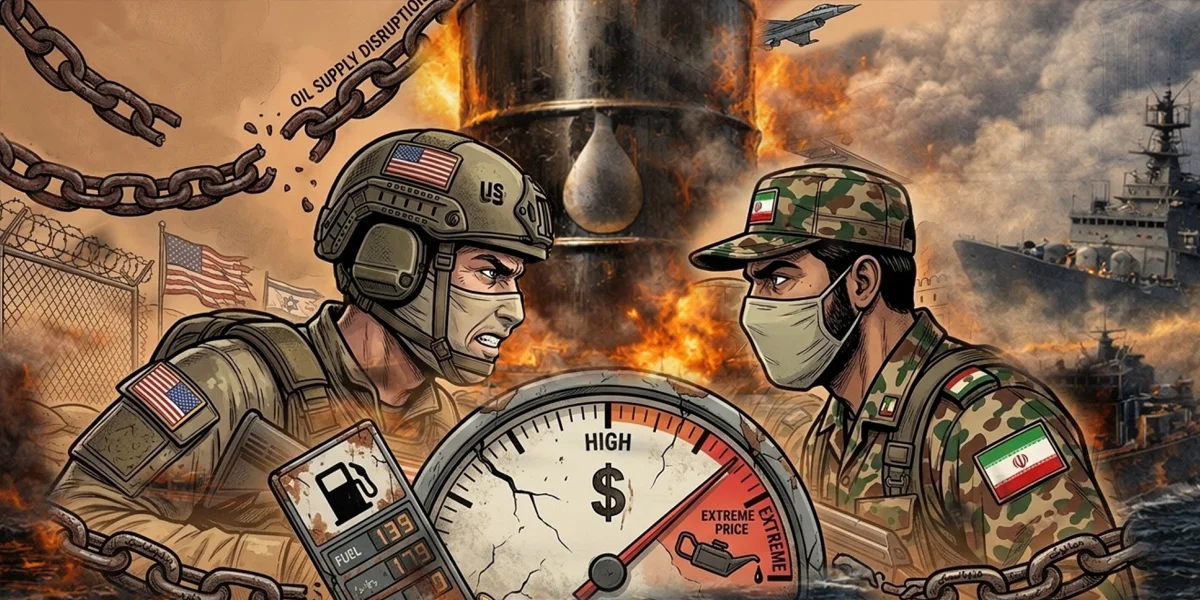
With the US-Israel war on Iran entering the eighth day on March 7, there is no sign of respite from bombings and blasts in Iran.
According to the US-based Human Rights Activists News Agency (HRANA), more than 1,000 civilians have been killed so far, including nearly 200 children, in the regions affected by the war.
The initial euphoria among Iranians over the strikes on their country is fading and people are anxious about the future.
A young woman in her 20s in Tehran, who said she was “over the moon” when they targeted the Supreme leader Ayatollah Ali Khamenei, said six days later: “I’m neither happy nor sad now – just tired.”
Schools, a hospital and historic landmarks have been severely damaged since US and Israeli strikes on Iran began on February 28, satellite images and verified videos show.
Because of the almost total internet blackout imposed by the authorities, it has been very difficult to speak to people inside Iran, say BBC reporters.
Meanwhile, US retail gasoline and diesel prices are soaring as the war constrains oil and fuel exports. Fuel prices jumped more than 10% this week as oil rose above $90 a barrel, its highest in years, adding pain at the pump for consumers already strained by inflation.
The disruptions in the Middle East and the Strait of Hormuz, a key trade conduit, have boosted demand for US oil abroad, which in turn has driven up prices.
Tens of thousands of people are scrambling to leave the Middle East after being left stranded by the war. More than 23,000 flights have been cancelled since the war began, according to experts. Disruption to supplies from the Gulf, in the wake of the air strikes has pushed the cost of aviation kerosene up by more than 80 per cent.
Trump ratings down
According to the recent PBS News/ NPR/Marist poll a majority of Americans disapprove of how Trump is managing the conflict and oppose the military action outright.