

Blitz Bureau
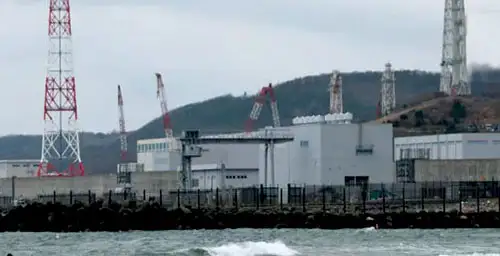
NEW DELHI: Japan took the final step to restart the world’s largest nuclear power plant on December 22 when the region of Niigata voted on the resumption of operations, in a watershed moment for the country’s pivot back to nuclear energy nearly 15 years after the Fukushima disaster.
Kashiwazaki-Kariwa, located about 220 km (136 miles) northwest of Tokyo, was among 54 reactors shut after the 2011 earthquake and tsunami crippled the Fukushima Daiichi plant in the worst nuclear disaster since Chernobyl.
Since then, Japan has restarted 14 of the 33 that remain operable, as it tries to wean itself off imported fossil fuels. Kashiwazaki-Kariwa will be the first operated by Tokyo Electric Power Co (TEPCO), which ran the doomed Fukushima plant.
On December 22, Niigata prefecture’s assembly passed a vote of confidence on Niigata Governor Hideyo Hanazumi, who backed the restart last month, effectively allowing for the plant to begin operations again.
Around 300 protesters, mostly older people, holding banners reading ‘No Nukes’, ‘We oppose the restart of Kashiwazaki-Kariwa’ and ‘Support Fukushima’ gathered in front of the Niigata prefecture assembly.
Kashiwazaki-Kariwa’s total capacity is 8.2 GW, enough to power a few million homes. The pending restart would bring one 1.36 GW unit online next year and start another one with the same capacity around 2030.
Prime Minister Sanae Takaichi, who took office two months ago, has backed nuclear restarts to strengthen energy security and to counter the cost of imported fossil fuels, which account for 60% to 70% of Japan’s electricity generation.
Japan spent 10.7 trillion yen ($68 billion) last year on imported liquefied natural gas and coal, a tenth of its total import costs.