Team Blitz India
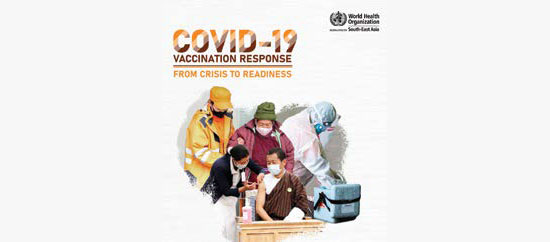
NEW DELHI: The scale of operations for vaccine rollout during Covid-19 was unprecedented and required detailed planning and coordination at the global, regional, national, subnational and local levels. Routine Immunization, which is the only vaccination programme in all countries, is geared towards vaccinating single birth cohorts and none of the Member States had any experience of administering multiple doses of vaccines to different age groups.
For example, India, which delivers approximately 27 million vaccines per year to children, suddenly had to vaccinate the entire eligible population with two doses of the vaccine, delivering approximately 2 billion vaccine doses. Additional trained vaccinators could not be provided in such a short time, posing an enormous human resource challenge. Countries marshalled personnel from various allied sources, such as medical and nursing colleges and non-medical frontline workers, to undertake non-vaccinator roles such as mobilisation, crowd management, record-keeping, etc.
A daunting task An additional layer of complexity was needed for maintaining proper infection prevention mechanisms through crowd management, use of personal protection equipment (PPE), and similar aspects. Every aspect, such as cold chain management, waste management and identification of target populations, required careful planning, training and coordination. The changing scenarios of priority groups, vaccine availability and new introductions, and revised processes posed a daunting task. However, countries in the region were able to adapt and meet these challenges and build Covid-19 vaccination programmes on the structure of their existing, strong RI programmes Coordination mechanisms had to be set up to identify challenges, provide solutions, and ensure that the vaccines reached the last priority target groups. Though coordination for the Covid-19 response was led by the Department for Disaster Risk Reduction in most countries, coordination for vaccine rollout was led by the Ministry of Health.
National, subnational and locallevel working groups were formed. Information flows from the ground to the centre and back were established. NDVPs were established in every Member State, including micro plans at the block or ward level to implement the NDVPs based on possible vaccine scenarios. The NDVPs were reviewed by experts in the RWG prior to the deployment of vaccines. The NDVPs and micro plans were constantly reviewed and revised as the vaccines were rolled out and strategies changed based on evidence and data from the ground
Response experiences
EVIDENCE-BASED PLANNING: Nepal provides an example of evidence-based planning to meet new and emerging needs. The country developed its first NDVP in January 2021, which was revised in November 2021 to include additional age groups when authorisation of the vaccine for additional age groups became available. The country again updated its NDVP in February 2022 to include children aged 5–11 years in accordance with global guidelines.
EFFECTIVE COLLABORATIONS: In Thailand, the Food and Drug Administration (FDA) collaborated with the Department of Disease Control, Government Pharmaceutical Organisation, National Vaccine Institute, Thai Red Cross Society, Chulabhorn Royal College, Government procurement agencies and private healthcare facilities to successfully roll out vaccines. HIGH-LEVEL POLITICAL INVOLVEMENT: In Maldives, vaccine rollout was steered by the President’s Office under the direct supervision of the Health Minister. Though the vaccination programme was coordinated and implemented by the National Immunisation Programme of the Health Protection Agency, multiple partners and stakeholders were also involved.
In addition to the Steering Committee, a Covid-19 vaccine cluster and several working groups were created, which included the National Technical Working Group, National Vaccine Logistics Group, National Vaccine Safety Group, Risk Communication Group, the Malé Area Working Group, and the regional and atolls groups to facilitate trainings and waste management.