Blitz Bureau
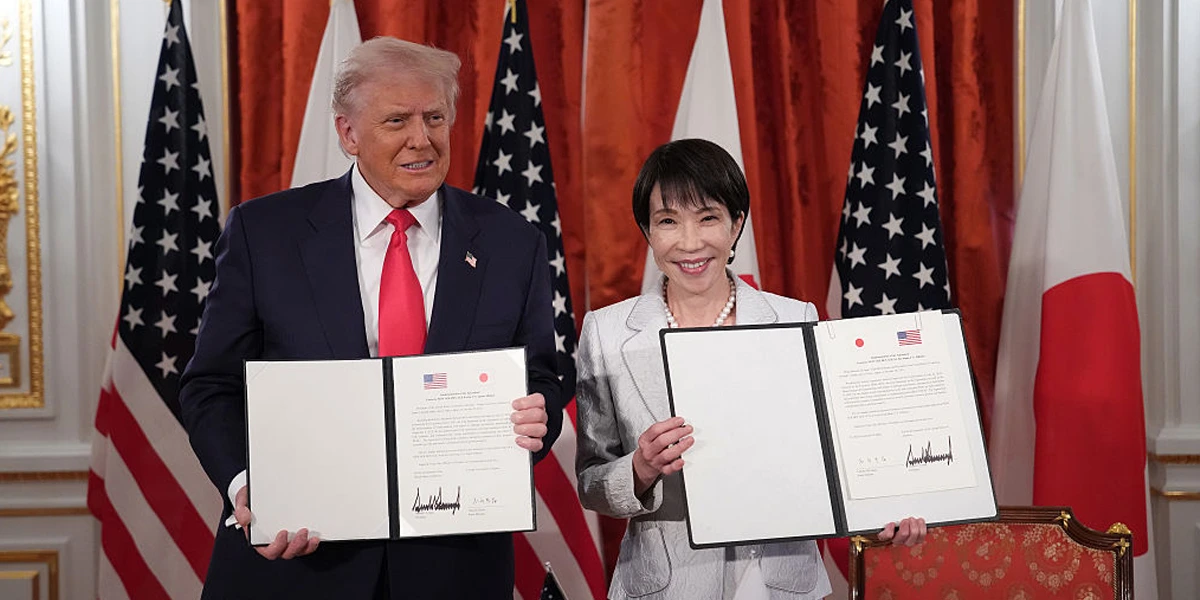
NEW DELHI: PRESIDENT Donald Trump has announced three new projects, worth a total of $36 billion, as the first stage of a trade deal with Japan that ultimately includes more than half a trillion dollars of funding for U.S. manufacturing and energy development.
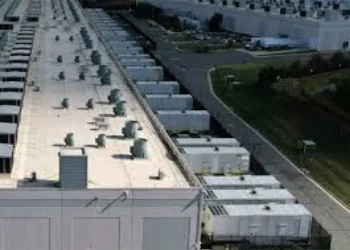
“Our MASSIVE Trade Deal with Japan has just launched!” Trump posted on his Truth Social platform on February 17. The first phase of the agreement includes a natural gas power facility in Ohio capable of generating 9.2 gigawatts of electricity, according to Commerce Secretary Howard Lutnick.
“We will strengthen grid reliability, expand baseload power, and support American manufacturing with affordable energy,” he wrote on X.
Another project will develop a facility to export approximately $20 billion to $30 billion worth of crude oil annually from deep waters in the Gulf of America near Texas. A new synthetic diamond manufacturing facility destined for Georgia will produce industrial grit, supplying enough of the critical material to satisfy U.S. demand, according to the commerce secretary.
The energy and manufacturing projects are the first phase of funding under a trade framework agreed in July, under which Tokyo pledged $550 billion in funding to U.S.-based projects. In exchange, the Trump administration agreed to impose a 15 percent blanket tariff on Japanese exports. Administration officials said the deal will prove mutually beneficial. Trump said the deal evolved because tariffs strengthened his trade policies rooted in his America First agenda.
The President leveraged tariffs repeatedly in his first year back in the White House in an effort to recalibrate trade imbalances and spur domestic manufacturing developments. Around the time of Prime Minister Sanae Takaichi’s visit to the United States in March, Japanese officials are considering making several additional investment announcements.
Win-win situation
Japan’s economy minister, Ryosei Akazawa, who previously led Japan’s tariff negotiations with the United States, has consistently framed the investments as a “win-win” for both countries.
For Japan and many other nations, the threat of tariffs was a key motivator to pledge investments in the US.