Parth Nadpara
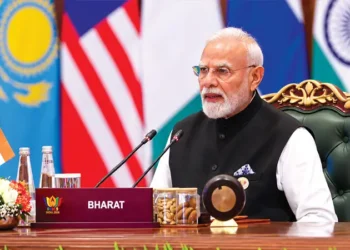
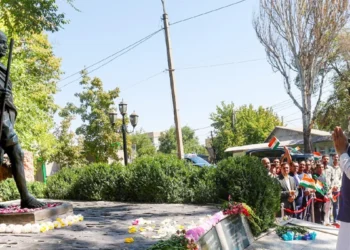
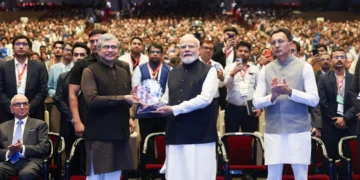
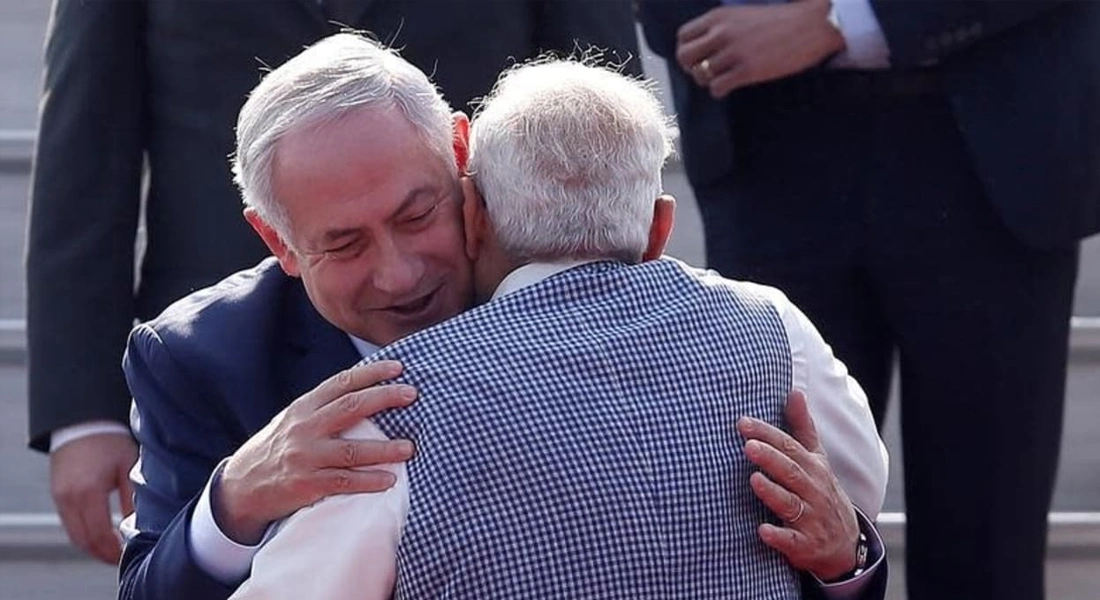
NEW DELHI: Prime Minister Narendra Modi’s two-day visit to Israel, which concluded on February 26, underlined the consolidation of India-Israel ties in defence, technology and trade.
Addressing the Knesset, Modi described the partnership as “anchored in trust and driven by innovation,” and signalled that its next phase would rest equally on economic integration. He noted that both sides had agreed to “accelerate discussions on a mutually beneficial free trade agreement,” calling it a natural progression for two innovation-led economies.
Israel remains a critical supplier of advanced defence systems, surveillance platforms and agricultural innovation to India. During the visit, the two sides emphasised cooperation in cybersecurity, A r – tificial Intelligence, water management and start-up ecosystems, signalling a shift from a predominantly defence-driven relationship. The proposed FTA, under negotiation for several years, is intended to unlock greater market access for pharmaceuticals, IT services, diamonds, electronics and agricultural technologies, while encouraging joint ventures and research collaboration.
Security and tech
Security cooperation, however, remains the anchor. Prime Minister Benjamin Netanyahu called India a “natural partner in security and technology,” adding that an expanded economic framework would complement strong defence ties. Intelligence sharing, counter-terrorism coordination and homeland security coll aboration continue to define the strategic core of the relationship. PM Modi also reaffirmed that “terrorism is the enemy of humanity,” urging sustained global cooperation against extremist threats. A second key takeaway of the visit was India’s effort to position itself as a credible partner in regional stability. While reiterating its firm stance against terrorism, PM Modi emphasised dialogue and diplomacy, backing humanitarian access and restating support for a negotiated two-state framework.
This calibrated articulation reflects New Delhi’s attempt to preserve diplomatic space across rival regional blocs even as it deepens ties with Israel. The visit marked a significant moment in India’s evolving West Asia strategy – blending security realism, economic ambition and calibrated diplomacy. Coming amid Israel–Iran friction and continuing instability linked to Gaza, the outreach underscored India’s determination to deepen strategic and commercial partnerships without abandoning multi-alignment.
The ripple effects
Across West Asia, the ripple effects will be closely watched. Iran may scrutinise the optics of deeper defence and trade engagement. Yet India has historically compartmentalised ties, engaging competing powers without formal alignment.
With Saudi Arabia and the United Arab Emirates, the momentum is unlikely to slow down. Both prioritise economic diversification, and India’s push for connectivity initiatives could align with Israel’s technological strengths and Gulf capital flows. Overall, the visit reinforced three messages: India is ready to deepen defence and hightechnology cooperation; it seeks faster progress on an FTA to expand bilateral trade; and it will continue practising multi-alignment while safeguarding energy security, diaspora welfare and strategic autonomy.
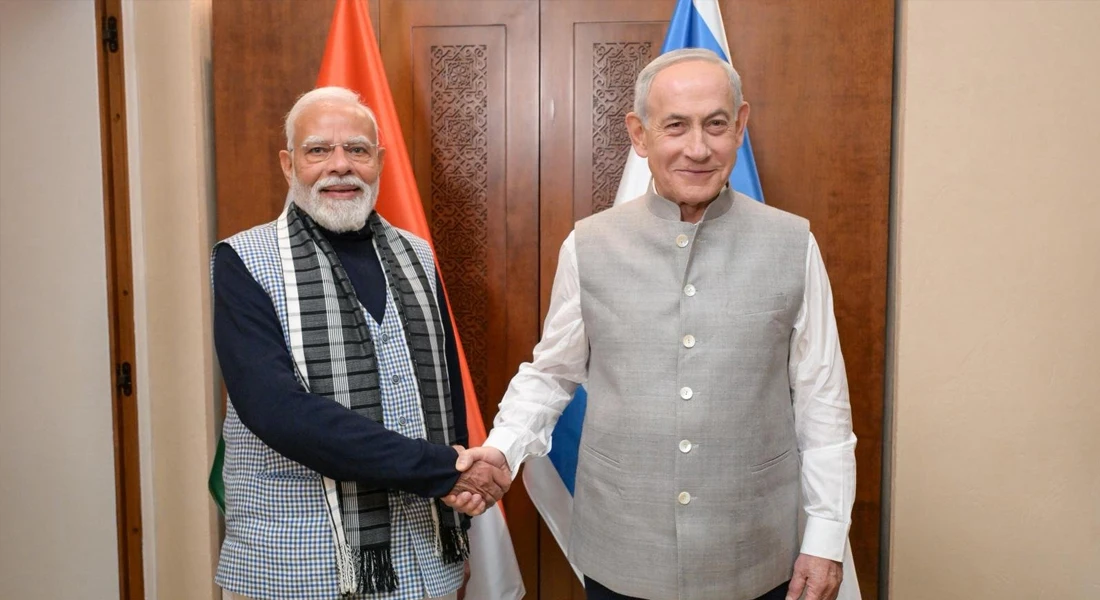
Netanyahu in ‘Modi jacket’
Israeli Prime Minister Benjamin Netanyahu surprised his counterpart Narendra Modi by turning up in traditional Indian attire ahead of their joint dinner in Jerusalem on February 25. The Israeli PM chose a stone-coloured Nehru jacket, also popularly known as a Modi jacket, with a band collar and a tailored fit. He paired it with a white, long-sleeved kurta-style shirt featuring a simple collar. Dark navy formal trousers and polished black leather shoes completed the ensemble.