MANOJ SAXENA
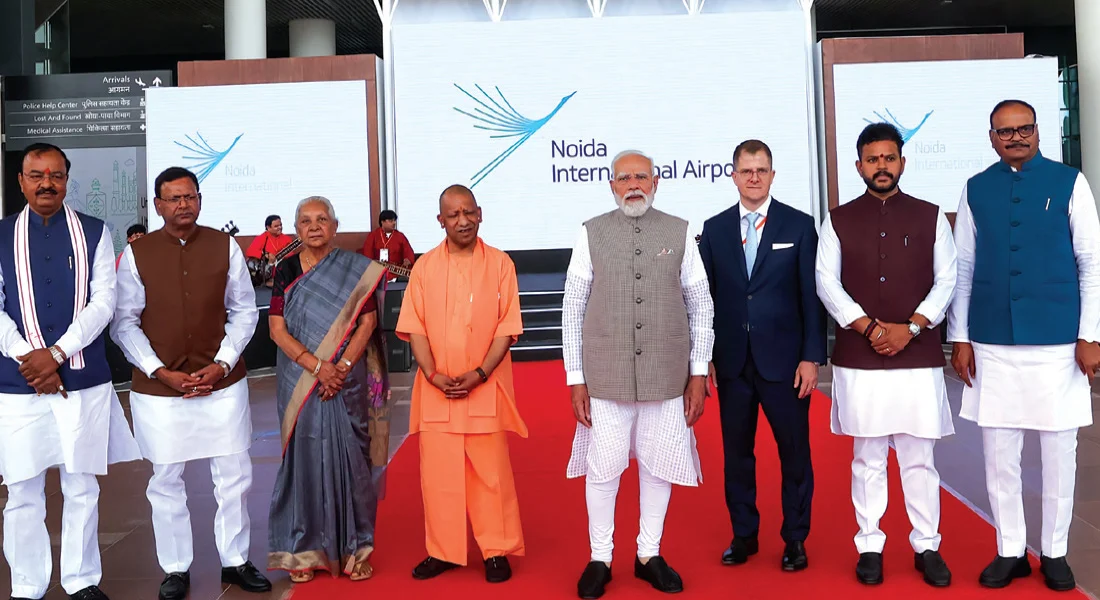
NEW DELHI: In a historic moment for India’s aviation sector, Prime Minister Narendra Modi inaugurated Phase I of the Noida International Airport (NIA) recently. The launch of the greenfield project at Jewar marks the beginning of a ‘two-airport system’ for the National Capital Region, promising to decongest Delhi’s IGI Airport while positioning Western Uttar Pradesh as a global logistics and transit powerhouse.
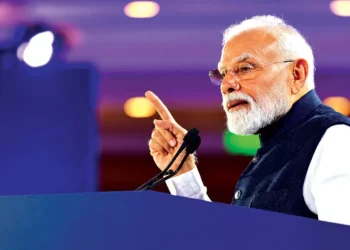
Accompanied by UP Chief Minister Yogi Adityanath, the Prime Minister took a walkthrough of the state-of-the-art terminal before addressing a massive gathering. “Today, Uttar Pradesh is taking a flight toward a developed future,” PM Modi remarked, highlighting the airport’s role in the Viksit Bharat vision.
The airport isn’t just a marvel of engineering; it’s a tribute to Indian culture. The terminal’s architecture draws inspiration from the ghats of Varanasi and traditional havelis, blending local aesthetics with a ‘net-zero emissions’ philosophy.
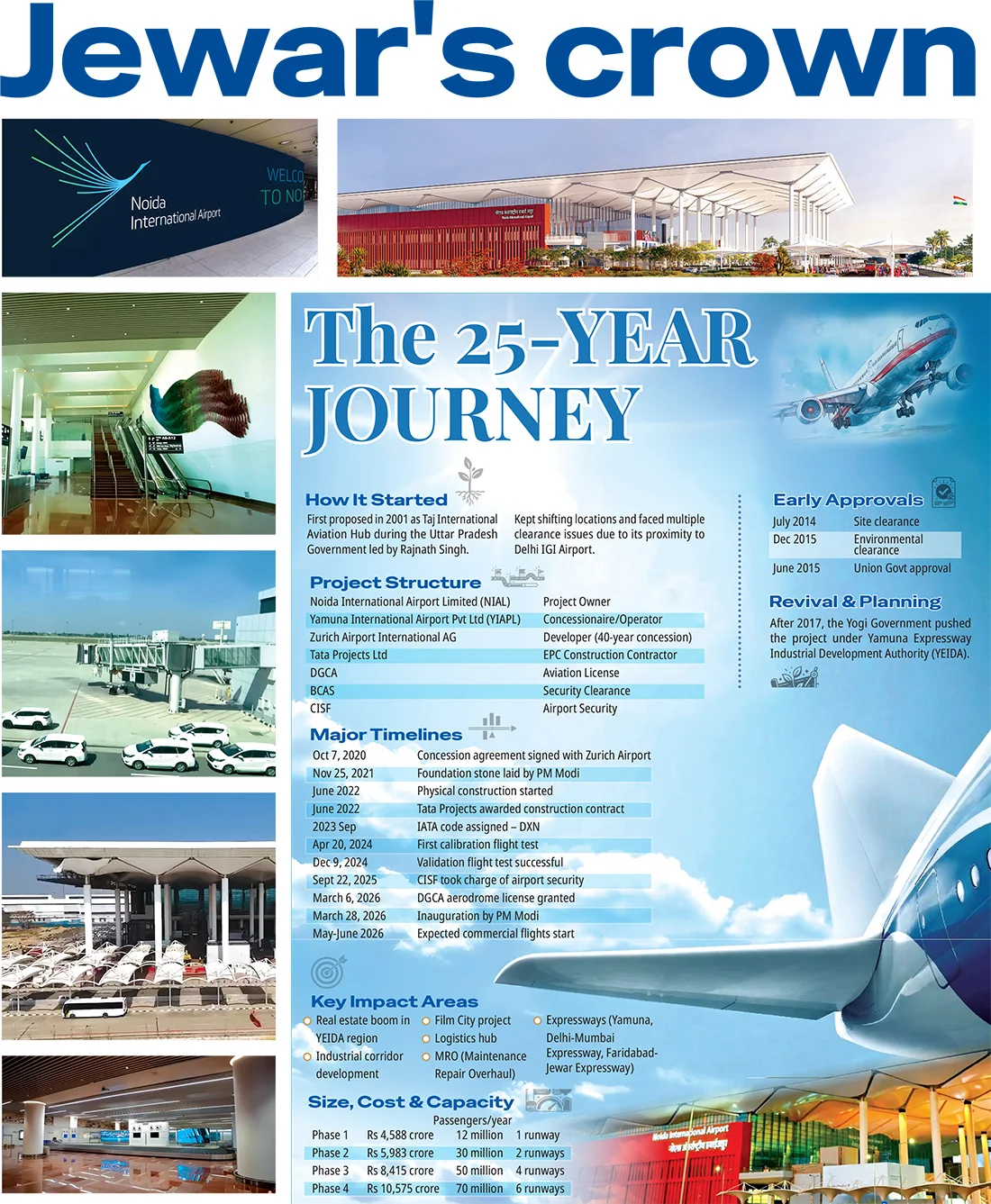
Built with an investment of approximately Rs 11,200 crore, the initial handling capacity of the airport is 12 million passengers annually, which is scalable to 70 million. A 3,900-metre runway capable of hosting the world’s largest wide-body aircraft is among the highlights of the new airport.
Beyond travel, Jewar is set to become a commercial nerve centre. With an integrated multi-modal cargo hub and India’s first in-house Maintenance, Repair, and Overhaul (MRO) facility, the airport is expected to generate thousands of jobs and bridge the gap for exporters in Agra, Meerut, and Aligarh. As the first commercial flights are slated for later half of April, the silence of the Jewar farmlands has officially been replaced by the roar of progress.