Asma Shaikh
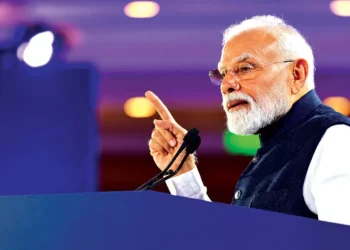
NEW DELHI: The Women’s Reservation Bill has been brought back to focus with Prime Minister Narendra Modi announcing a special three-day session of Parliament to give a “decisive push” to bridge the final gap in implementing the landmark legislation. Speaking at a poll rally at Thiruvalla in Kerala, the Prime Minister said the special sitting of Parliament would be used to advance measures to ensure one-third reservation for women in legislatures, and urged political parties to extend support.
While the Bill was passed in 2023, its implementation was tethered to a future Census. The special session is aimed at introducing a crucial amendment to delink or fast-track this process, aiming for a 2029 rollout.
Impasse ended
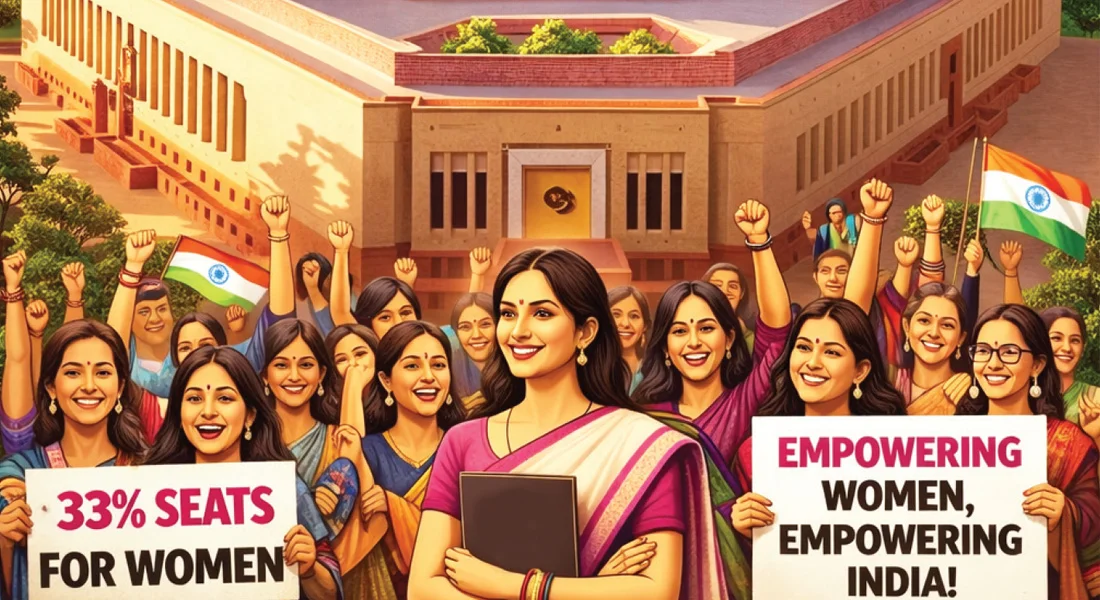
For nearly three decades, the Women’s Reservation Bill was in a limbo. While previous attempts in 1996, 1998, and 2010 collapsed under the weight of “quotas within quotas” demands, the Modi Government utilised its parliamentary majority to bypass the deadlock. PM Modi’s latest announcement gives fresh momentum to a major reform. The Bill proposes reserving 33 per cent of seats for women in the Lok Sabha and state Assemblies. The potential impact of the Bill remains transformative.
Women currently account for just over 14 per cent of the Lok Sabha. Raising that share to one-third would not only change the gender composition of Parliament but could also reshape its priorities and functioning. Evidence from India’s Panchayati Raj system and international experience suggests that greater female representation often broadens the policy agenda. Women legislators tend to place greater emphasis on public health, education, sanitation, welfare and gender-related issues.
There is also some indication that women legislators participate actively in committee work, where detailed scrutiny of laws takes place. However, expectations of immediate change may be overstated. Parliamentary conduct is driven by institutional and political factors. Women MPs function within the same party frameworks, and disruptions or confrontational tactics are unlikely to disappear solely due to increased representation.