Blitz Bureau
NEW DELHI: WITH hundreds of vessels still stuck in the Persian Gulf and costs piling up, shipping companies are being whipsawed by uncertainty over how and when the Strait of Hormuz might reopen more than two months into the Iran war.
On May 10, President Donald Trump announced “Project Freedom,” a way for the US to “guide” ships to exit the strait. Two ships made the transit, but by May 12 Trump abruptly paused the effort to allow time for a deal to end the war.
Meanwhile, the risks for ships and crew haven’t faded. A cargo container ship operated by the CMA CGM Group was damaged when it came under attack while attempting to transit the strait, the French shipping company said on May 13. Concerns about Iranian speedboats and drones are leading major ship owners and operators to say the strait remains too dangerous.
Before the Iran war, 100-135 vessels passed through the Strait of Hormuz daily, but that has slowed to a trickle now
Before the Iran war, 100 to 135 vessels passed through the Strait of Hormuz daily, according to research firm Lloyd’s List Intelligence, but that has slowed to a trickle as Iran has demanded that vessels go through a vetting process run by the Islamic Revolutionary Guard Corps to receive safe passage. The process requires ships to follow a route near Iran’s coast, submit information on crew and cargo, and in at least some cases, pay a fee. Meanwhile, paying the IRGC risks running afoul of sanctions from the US and the EU, which have designated it a terrorist organization.
Goods stranded in the strait include oil and oil products such as fertilizer, not to mention thousands of ship workers. Air Force Gen Dan Caine, chairman of the Joint Chiefs of Staff, said there are more than 1,550 vessels with about 22,500 mariners on them inside the Persian Gulf. To pressure Iran, the US Navy is blockading Iran’s ports, enforcing the blockade outside the strait in the Gulf of Oman and the Arabian Sea.
Holland & Knight’s Pribyl said shippers and ship insurers are likely still assessing the scenario in the strait. Ships carry two main types of insurance: protection and indemnity, which covers property and third-party liabilities, and — during a conflict — war risk insurance that covers damage and losses due to war.
Rising insurance cost
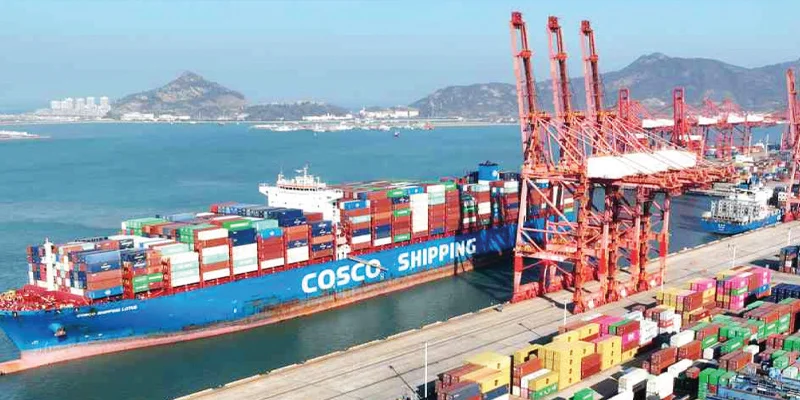
Insurance costs have shot up for vessels in the region due to the risk of attack, jumping from less than 1 per cent of the value of goods on a ship to anywhere from 3 per cent to 10 per cent during the conflict. Hapag-Lloyd AG, one of the world’s largest container shipping companies, says the Hormuz situation is costing it $60 million a week, particularly in skyrocketing prices of fuel and insurance.
Stranded in midsea
AN “unprecedented” crisis is unfolding for 20,000 seafarers stranded in the Persian Gulf, a UN body has warned, as the Strait of Hormuz closure leaves crews trapped on ships with no clear way out.
Maritime workers – many from poor, developing countries – are finding themselves stranded at sea, caught between commercial pressure from ship owners, security threats from drones and sea mines and limited legal protections.
Manoj Kumar Yadav of the Forward Seamen’s Union of India said thousands of Indian sailors were aboard the stranded vessels, enduring days of fear and isolation.
India has more than 20,000 nationals working on foreign-flagged ships in the region, many of them beyond the reach of coordinated evacuation efforts. India’s shipping ministry said last week that at least 2,680 sailors had been evacuated since the conflict began.