Blitz Bureau
NEW DELHI: The Trump administration temporarily lifted oil sanctions against Iran on June 22 in a sharp reversal of US policy that could provide Iran with an economic boon after years of having to sell at a discount to buyers.
Treasury Secretary Scott Bessent said that the 60-day sanctions exemption, which authorizes the purchase of Iranian oil in US dollars, giving Iran greater access to American currency, was the result of “ongoing productive” talks.
High-level negotiations in Switzerland seeking a permanent end to the Iran war concluded early June 22, with lower-level talks planned for the rest of the week as Iran and the United States agreed to create a “de-conÀiction cell” to address the ¿ghting in Lebanon.
Pakistan and Qatar after the meeting said lower-level technical talks aim at producing the breakthroughs needed for high-level oႈcials to return and sign agreements. A statement from mediators Pakistan and Qatar said the cell would include the Lebanese government and would “ensure the adherence of the termination of military operations in Lebanon.” But it remains unclear whether that will be enough to stop ¿ghting between the Iranian-backed militia Hezbollah and Israel, which occupies Lebanon and insists it must maintain a free hand to attack militants who are launching attacks into northern Israel.
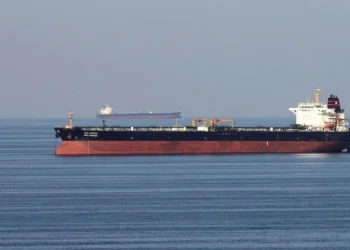
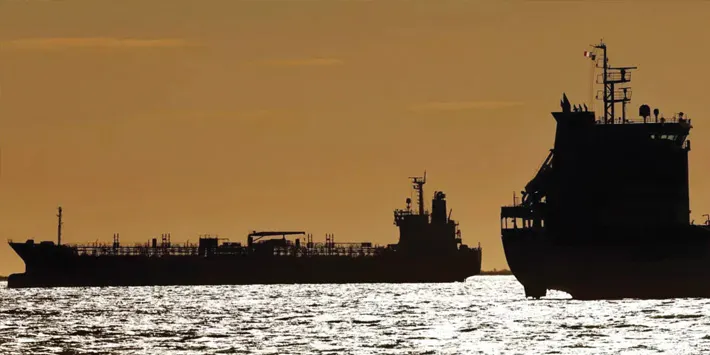
The talks marked the start of a 60-day diplomatic process that seeks to reach a permanent deal to end the Iran war. But the ¿ghting in Lebanon remains one of the key sticking points. Meanwhile, Iran insisted it had again shut the Strait of Hormuz over the weekend, the narrow mouth of the Persian Gulf crucial to energy shipments, while the U.S. said traႈc continued.
Iranian Foreign Minister Abbas Araghchi wrote on X that “tireless Pakistani and Qatari mediation has delivered major progress to end the Lebanon War.” He said the ¿rst “real test” of negotiations would be whether the deconÀiction cell succeeded in halting the ¿ghting in Lebanon. Negotiators also discussed “mechanisms” to ensure the strait remains open and that a cease¿re in southern Lebanon is enforced, along with “robust” discussions on the nuclear issue.
Ceasefire holds
A renewed cease¿re in Lebanon, brokered on June 20, appeared to be holding, and Israel’s military said it would lift movement restrictions for residents near the border with Lebanon on Monday morning — another sign of calm. But neither Israel nor Hezbollah is a signatory to the USIran deal, and Israeli Prime Minister Benjamin Netanyahu has vowed to keep his forces in southern Lebanon until any threat to Israel is eliminated. Hezbollah has refused to halt attacks unless Israel commits to withdrawing.