Blitz Bureau
The India Meteorological Department expects nationwide rainfall this July to stay below 94% of the long-period average — a figure of about 280 mm in a normal year. The pattern is uneven: the northwest, northeast, parts of east-central India and the eastern peninsula should see normal to above-normal rain, while most other regions run a little dry.
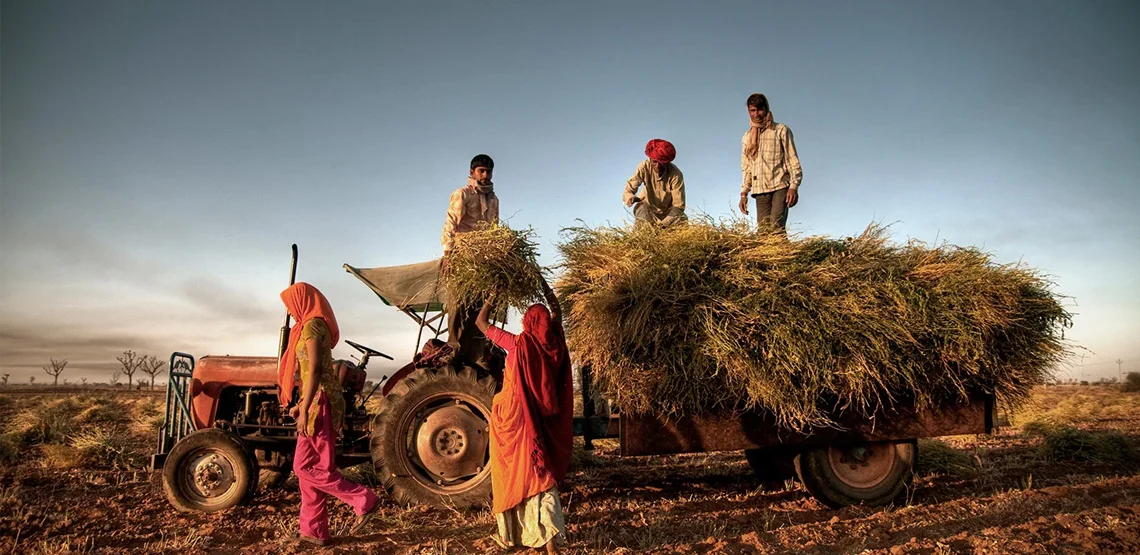
Yet the government’s own reading is reassuring. The Finance Ministry’s latest monthly review argues that India’s economy is far less sensitive to a weak monsoon than it once was, thanks to wider irrigation, better farming practices and years of investment in climate resilience. Early kharif sowing is running behind last year as farmers wait for the rains to settle, but buffer stocks are comfortable and the rural economy is more diversified than in previous dry spells.
The gap between a light monsoon and a hard year is filled by irrigation, buffer stocks and resilient crops — and that gap has been widening in India’s favour.
At a Glance
- July outlook: Below 94% of long-period average
- Uneven map: NW, NE & east-central wetter; most regions drier
- Watch: Early kharif sowing behind last year; higher heat
- Priority: Water conservation & climate-resilient crops
The constructive path is the one the review itself recommends: conserve water aggressively — including recycling and fuller use of allocations under the Jal Jeevan Mission — and reorient crop choices toward less thirsty, climate-resilient varieties. Districts short of rain can lean on irrigation and stored grain, while heavy-rain pockets prioritise drainage and safe storage.
Delivered well over the coming weeks, that playbook can turn a difficult forecast into a demonstration of resilience. Getting real-time IMD advisories, assured irrigation and quality seed to the fields that need them most is how India converts an uneven season into a manageable one — and keeps the rural economy steady while the rains catch up.