Blitz Bureau
NEW DELHI: Each monsoon season India relearns the same lesson: the country’s fortunes still turn on water. Home to roughly 18% of the world’s people but only about 4% of its freshwater, India lives closer to the margin than its size suggests — and per-capita availability has been sliding for decades toward the line hydrologists call “water stress.” The story beneath every rainfall bulletin is the slower one of how the nation stores, shares and stretches what falls.
The pressure is structural, not seasonal. Agriculture draws the overwhelming share of India’s water, much of it through thirsty crops grown in the wrong places — paddy and sugarcane in districts that can least spare the groundwater. In parts of the northwest, aquifers are being drawn down faster than the rains can refill them. These are challenges of design and incentive, and that is precisely why they are solvable.
India does not have a rainfall problem so much as a water-management opportunity — and the returns on getting it right compound for generations.
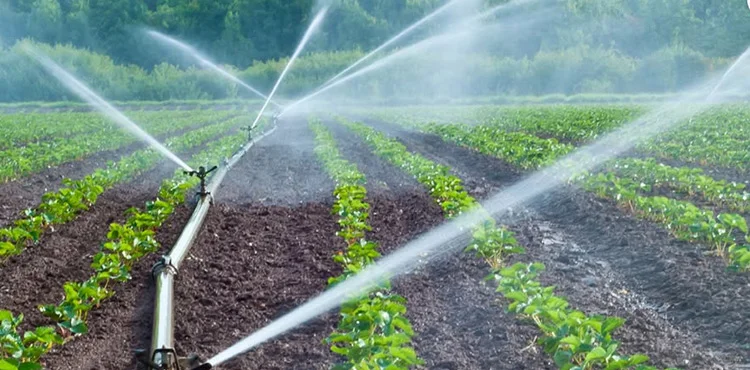
The toolkit is well understood and already in motion. Micro-irrigation — drip and sprinkler systems that deliver “more crop per drop” — can sharply cut farm water use; watershed development and managed aquifer recharge put rainfall back into the ground; treated-wastewater reuse frees fresh supplies for drinking; and piped-water schemes have carried tap connections to tens of millions of rural homes. Nudging farmers toward less thirsty crops where water is scarce may be the highest-value reform of all.
The constructive, long-view read is that water security is within India’s reach because the answers are engineering and incentives, not luck. Pair efficient irrigation with recharge, reuse and smarter crop choices, and the country turns a variable monsoon into a managed resource — the kind of quiet, compounding investment that pays off in every harvest and every city tap for decades to come.