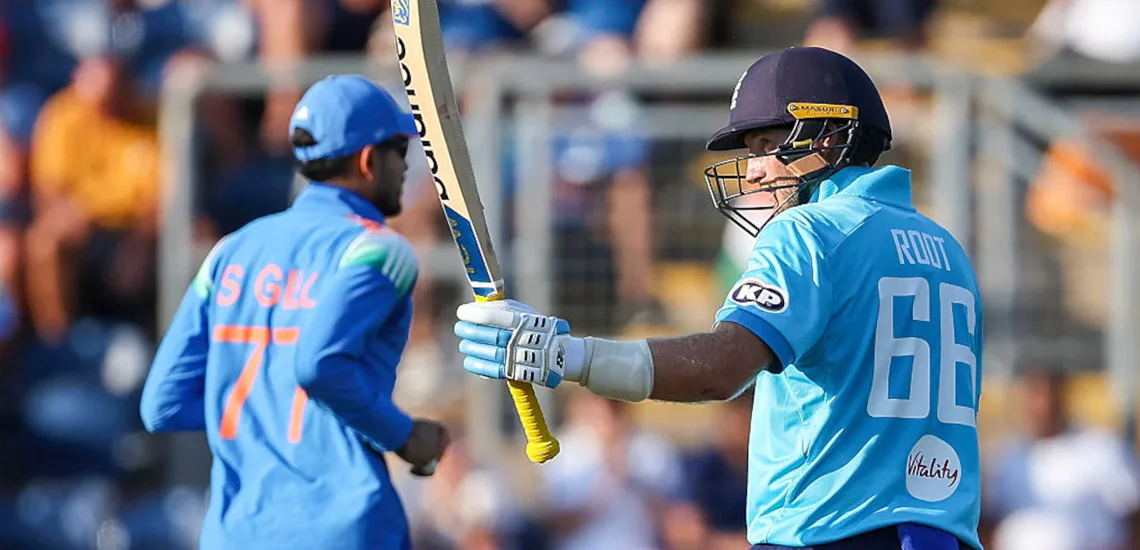
India go to Cardiff with the series in their hands. One up after a controlled win in the opener, the tourists took the field for the second one-day international at Sophia Gardens on Thursday knowing a victory would seal the three-match rubber with a game to spare, before the finale at Lord’s on July 19. England, having lost the toss, were asked to watch India bat first under lights on a ground where chasing can get awkward after dark.
India rejigged their side out of necessity: wicketkeeper-batter KL Rahul was ruled out with illness, and Ishan Kishan came in to keep and open. The template, though, is unchanged — a deep batting order, a balanced spin-and-seam attack, and the composure to build a defendable total. The questions at Cardiff are about ruthlessness rather than reinvention: convert starts into a big score, then close out the game without the wobble that touring sides so often invite.
Every touring side has a hard week; the good ones are defined by the reply. India have theirs — now the job is to press it home.
Off the field, India’s culture beat stayed busy. July has been lively at the box office, with total collections nearing ₹317 crore across some 61 releases; the comedy Dhamaal 4 has crossed ₹90 crore and the action title Alpha added another ₹56 crore, with Telugu and Tamil films rounding out a genuinely multilingual market. Bollywood’s year-to-date net has passed ₹2,586 crore, led by the record-breaking Dhurandhar — breadth that keeps single screens and multiplexes working through the monsoon.
The constructive read is that neither sporting resilience nor cultural vitality is luck; both are the yield of patient systems — coaching pathways and talent scouting on one side, a vast production and exhibition ecosystem on the other. Applied steadily, that model turns a hard cricketing fortnight into the base of the next winning side, and a busy July at the movies into a durable, job-rich creative industry.