Blitz Bureau
NEW DELHI:
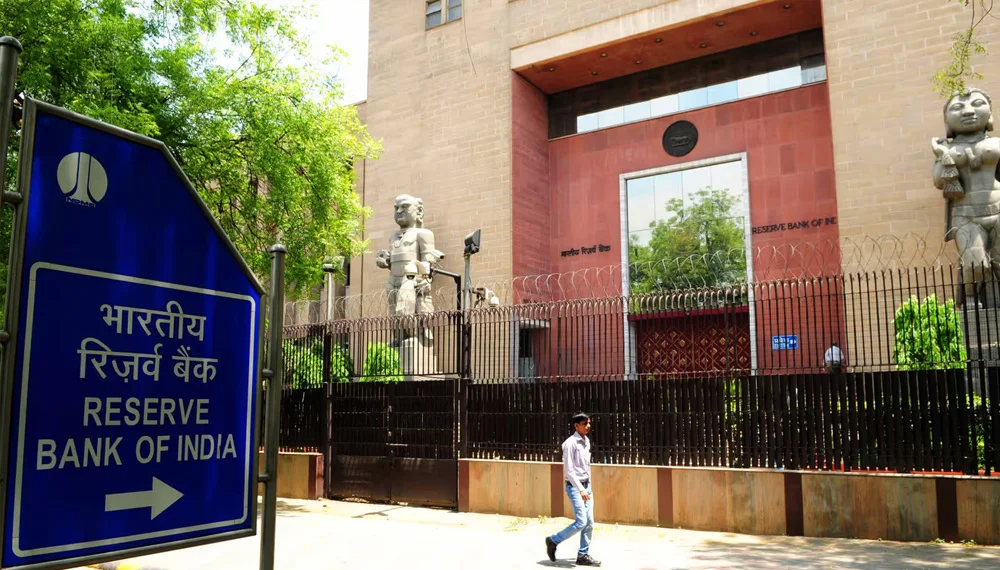
For the first time in a year and a half, India’s cost of living has edged past a symbolic marker. Retail inflation rose to 4.38% in June, up from 3.93% in May, according to official price data — nudging just above the Reserve Bank of India’s 4% target for the first time since December 2024. The rise is real, but so is the context: inflation remains comfortably inside the RBI’s 2–6% tolerance band, and the move up was led by the two most weather- and world-sensitive items on any household’s list, food and fuel.
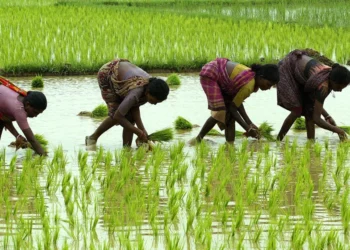
The detail tells a familiar seasonal story. Food inflation quickened to 5.32% from 4.78% a month earlier, driven by sharp swings in vegetables — tomatoes and ginger among the biggest movers — the kind of spike that tends to arrive with the early monsoon and unwind as fresh supply reaches the mandis. Rural inflation, at 4.74%, ran ahead of the urban rate of 3.92%. Firmer global energy prices, tied to tensions in West Asia, and an uneven spread of monsoon rain added to the pressure.
Inside the band, above the target: June’s 4.38% print crosses the RBI’s 4% mark for the first time since December 2024 — but stays well within the central bank’s 2–6% comfort zone.
A number on a chart is really a basket in a kitchen. When the price of tomatoes moves the national average, the fix lies less in interest rates than in the supply chain.
At a Glance
• June CPI: 4.38% (provisional), up from 3.93% in May
• Milestone: first reading above the RBI’s 4% target since Dec 2024
• Food: 5.32%, led by vegetables such as tomatoes and ginger
• Split: rural 4.74% vs urban 3.92%; still inside the 2–6% band
Why watch a single monthly print? Because inflation is the most immediate measure of whether growth is reaching the family budget, and because the RBI weighs it directly when setting the interest rates that shape home loans and business borrowing. The central bank has already flagged food, energy and weather as the risks to watch for the year, trimming its FY27 growth view accordingly. A vegetable-led spike, though, is usually the most reversible kind of inflation — the sort that cools when the next harvest lands and roads reopen after the rains.
The constructive read is that India has learned to manage these swings. Ample foodgrain buffers, open-market releases, and quicker movement of perishables all blunt the shock, while the very monsoon adding to today’s food prices is filling reservoirs and seeding a strong kharif crop that should ease them by the festive season. The way forward is to keep building what tames food inflation for good — cold chains, vegetable clusters near cities, and better storage — so that a wet-season blip stays a blip, and the household budget feels the benefit of a fast-growing economy.