Blitz Bureau
NEW DELHI: India’s shift to electric mobility just posted its best month yet. Retail sales of electric vehicles across all categories reached a record of roughly 3.06 lakh units in June 2026 — up about 63% on the same month last year — as two-wheelers, three-wheelers and cars all pulled in the same direction. In the passenger-car segment, electric sales climbed to about 31,388 units, up from 28,017 in May, a steady month-on-month gain that speaks to demand becoming a habit rather than a novelty.
The market is also broadening. Tata Motors remains the clear leader with more than 38% share, its EV sales more than doubling year-on-year to about 12,023 units, followed by Mahindra & Mahindra and JSW MG Motor. With around 25 mass-market electric models now on sale, buyers finally have real choice in a segment that moves roughly 30,000 passenger EVs a month — and competition, as ever, is the quickest route to better cars at better prices.
Demand becomes a habit: India’s EV retail sales hit a record ~3.06 lakh units in June, up ~63% year-on-year, with passenger EVs at ~31,388 units and Tata Motors holding more than 38% of the electric-car market.
Every electric vehicle on India’s roads is a small hedge against imported oil — and, added up month after month, a large one.
At a Glance
• June 2026: record ~3.06 lakh EVs sold across categories, up ~63% YoY
• Passenger EVs: ~31,388 units, up from 28,017 in May
• Leader: Tata Motors, 38%+ share; EV sales ~12,023 (more than doubled YoY)
• Choice: ~25 mass-market EV models now on sale
The significance runs beyond the showroom. Every kilometre driven on domestic electricity rather than imported fuel eases India’s oil-import bill — a real benefit in a week when crude is the market’s chief worry — and cleans the air in cities that need it most. A record month is also a signal to the whole supply chain, from battery makers to charging-point operators, that the demand they are building for is arriving on schedule.
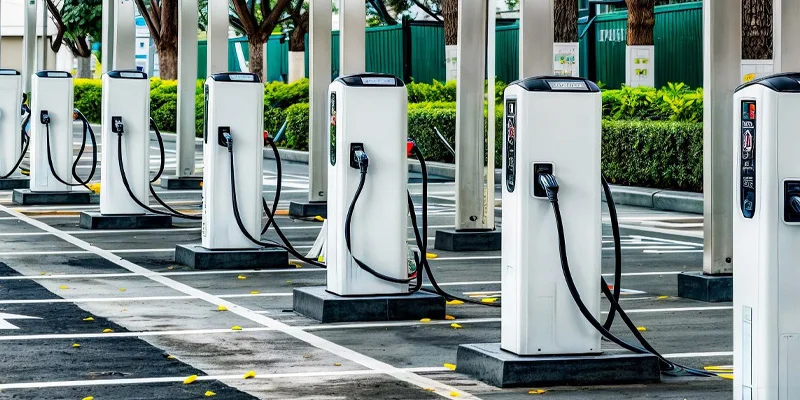
The constructive way forward is to make sure the road ahead is as smooth as the latest month. That means expanding fast, reliable charging along highways and in housing, deepening domestic battery and cell manufacturing so more of each vehicle’s value stays in India, and keeping incentives steady enough for buyers and makers to plan. The demand has clearly arrived; the task now is to build the infrastructure and industry that let it keep accelerating.