Blitz Bureau
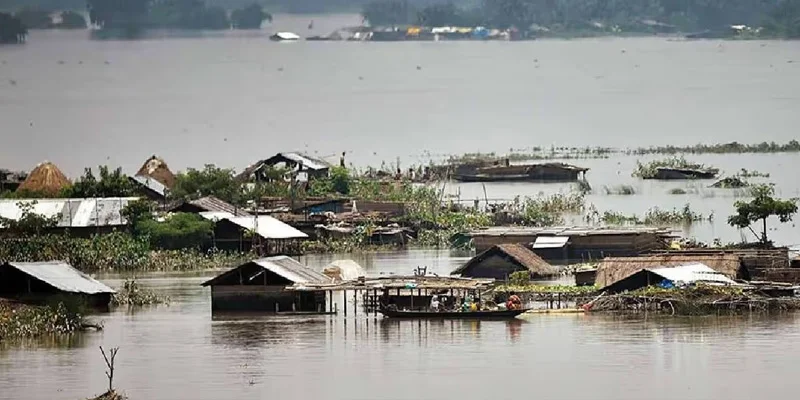
NEW DELHI: A relentless spell of monsoon rain has tested India’s northeast, and in Assam the answer has been a large, coordinated relief effort. Flooding this month has affected more than 5.65 lakh people across several districts, damaged standing crops and inundated low-lying villages, with the state’s flood-related toll for the year at 31. Behind those sober figures is a mobilisation working around the clock to move people to safety and keep essentials flowing.
The scale of the response is considerable. State authorities are running 273 relief camps sheltering more than 12,000 displaced people, while the Army, the National and State Disaster Response Forces and the police have together rescued over 6,000 residents from rising water. With the India Meteorological Department forecasting further heavy rain across Assam and the wider northeast through July 26, the immediate task is to hold that effort steady until the skies relent.
A mobilised response: Assam is running 273 relief camps and, with the Army, NDRF, SDRF and police, has rescued more than 6,000 people as monsoon floods affect over 5.65 lakh residents — with the IMD forecasting more heavy rain through July 26.
The true test of preparedness is not a dry year but a wet one — and it is measured in how quickly help reaches the last village on the water’s edge.
At a Glance
• Affected: more than 5.65 lakh people across several Assam districts
• Relief: 273 camps sheltering 12,000+ displaced residents
• Rescue: Army, NDRF, SDRF and police have saved 6,000+ people
• Forecast: IMD warns of further heavy rain across the northeast to July 26
For the Brahmaputra valley, the flood season is an annual reality rather than a surprise, which is precisely why the response matters as much as the rain. Getting families to higher ground, keeping clean water, food and medicine moving, and protecting livestock and the coming harvest are the tasks that turn a dangerous week into a survivable one. The visible speed of rescue teams this month is the product of drills, forecasting and coordination done long before the water rose.
The constructive way forward pairs this immediate care with the longer work of resilience. Embankment upkeep, better drainage, real-time river-level data and early-warning systems — increasingly aided by satellites like the EOS series now being readied — can widen the margin between a warning and a wall of water. Assam has shown it can marshal a formidable response; the goal for the seasons ahead is to need a slightly smaller one each year, because the defences and the data have grown stronger.