Blitz Bureau
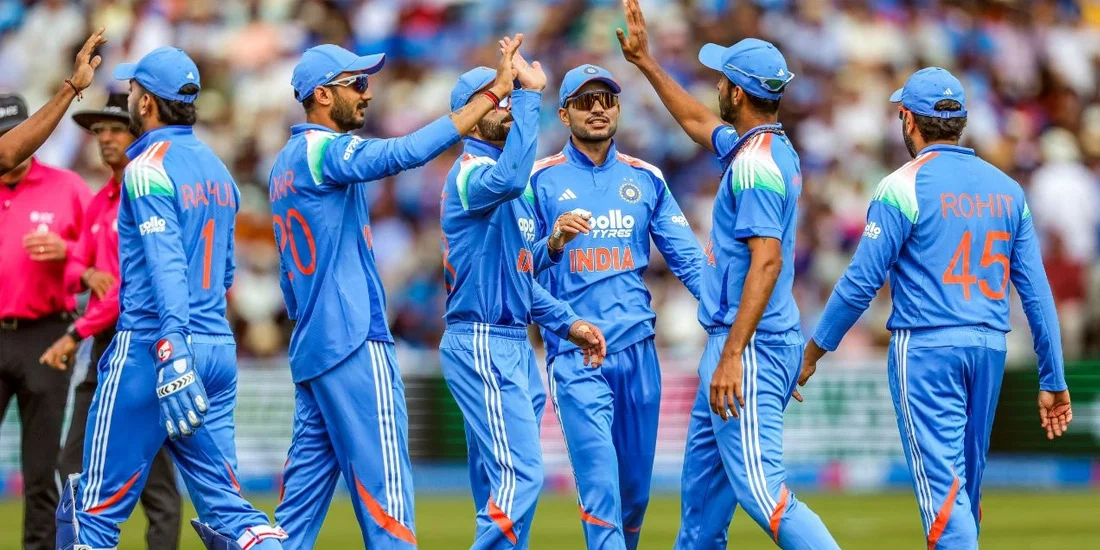
NEW DELHI: India began their three-match Twenty20 series in Zimbabwe on Thursday evening with a clear plan and a notably youthful face. Captain Shreyas Iyer won the toss at the Harare Sports Club and chose to bowl first, sending out a next-generation line-up — teen opener Vaibhav Sooryavanshi alongside Abhishek Sharma at the top, Ishan Kishan behind the stumps, and an attack built around Ravi Bishnoi, Mayank Yadav and a clutch of uncapped hopefuls. The first ball was bowled at 4:30 pm IST.
The tour is less about the trophy than the talent. Fresh from a 2–1 one-day series defeat in England, India have turned the Zimbabwe leg into a proving ground for the players who will carry the side through the next cycle. Zimbabwe, led on home soil by the seasoned all-rounder Sikandar Raza, will back themselves against an unfamiliar visiting XI — which is precisely what makes the assignment useful for a young India.
A proving ground: India won the toss and chose to bowl first in the 1st T20I at the Harare Sports Club, fielding a young side under Shreyas Iyer — teen opener Vaibhav Sooryavanshi among them — after a 2–1 ODI series loss in England.
A tour like this is not about the trophy cabinet. It is where a cricketing nation quietly discovers the players who will carry it through the next decade.
At a Glance
• Toss: India won and chose to bowl first (Harare Sports Club)
• Captain: Shreyas Iyer; wicketkeeper Ishan Kishan
• Young XI: Vaibhav Sooryavanshi & Abhishek Sharma open; Bishnoi, Mayank Yadav in the attack
• Context: hosts Zimbabwe led by Sikandar Raza; India after a 2–1 ODI loss in England — match underway at press time
There is a healthy logic to sending a young, experimental side to Harare. India’s cricketing depth is such that a crowded calendar demands the bench be tested in real matches rather than the nets, and a bilateral tour against a spirited Zimbabwe is the ideal classroom — competitive enough to matter, forgiving enough to learn in. For a teenager like Sooryavanshi and the uncapped names around him, an international outing is the reward for years of domestic grind and a chance to show they belong.
The constructive way to read the series is as an investment rather than a verdict. Win or lose in Harare, the value lies in the game time: a captain growing into the role, young batters and bowlers tasting international pressure, and selectors gathering the evidence that builds a squad for the tournaments that count. Zimbabwe, for their part, gain a marquee home series and the exposure that helps a proud cricketing nation keep rebuilding.