Blitz Bureau
NEW DELHI: India has the youngest workforce of any major economy, and for the next two decades that youth is its greatest single advantage. But a demographic dividend is not paid automatically; it is earned in classrooms and laboratories. The question that outlasts any one exam season is whether India can build higher education good enough to turn its enormous pool of young people into the scientists, engineers, doctors and founders the century will demand — and compelling enough to keep the best of them at home.
The signals are encouraging and worth building on. In the latest QS Best Student Cities rankings, four Indian cities sit inside the global top 130, with Mumbai climbing back into the world’s top 100, Delhi rated the most affordable student city on the planet, and Delhi and Mumbai both entering the top 50 for employer activity — a sign that the world’s recruiters increasingly value Indian graduates. Affordability plus rising employer regard is a powerful combination: it makes India attractive not only to its own students but to international ones too.
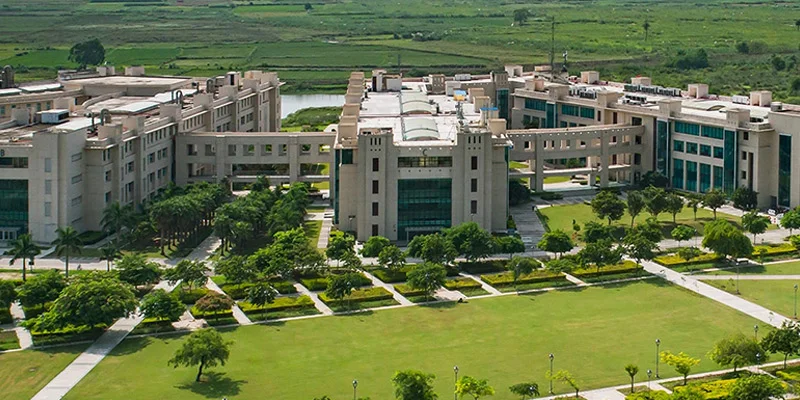
Where the dividend is earned: Four Indian cities now rank among the world’s top 130 for students, with Delhi the most affordable globally — a foundation on which to build the university quality that converts a young population into a skilled one.
A nation’s universities are infrastructure as surely as its roads. One moves goods; the other moves a generation from potential to prosperity.
The Long View
• The asset: the youngest workforce among major economies
• The standing: four Indian cities in the global top 130 for students
• The draw: Delhi rated the world’s most affordable student city
• The tools: research funding, faculty depth, industry links, internationalisation
The honest account is that affordability and access are necessary but not sufficient. The harder, slower work is quality at the top and the middle at once: expanding the number of genuinely world-class universities, deepening research funding and the faculty to spend it well, tightening the link between campuses and the industries that hire, and lifting the vast tier of ordinary colleges where most Indians actually study. Retaining talent is the truest test — a young graduate stays when the labs, the mentors and the opportunities at home rival those abroad.
The constructive, long-view way forward is to treat higher education as national infrastructure and fund it with the same seriousness as ports and power. That means backing research at scale, welcoming global universities and partnerships that raise local standards, building the vocational and skilling pathways that dignify every kind of work, and measuring success not by rankings alone but by the jobs, patents and companies that graduates create. Do that patiently, and the demographic dividend stops being a hopeful phrase and becomes a paid one — year after year, cohort after cohort.