Blitz Bureau
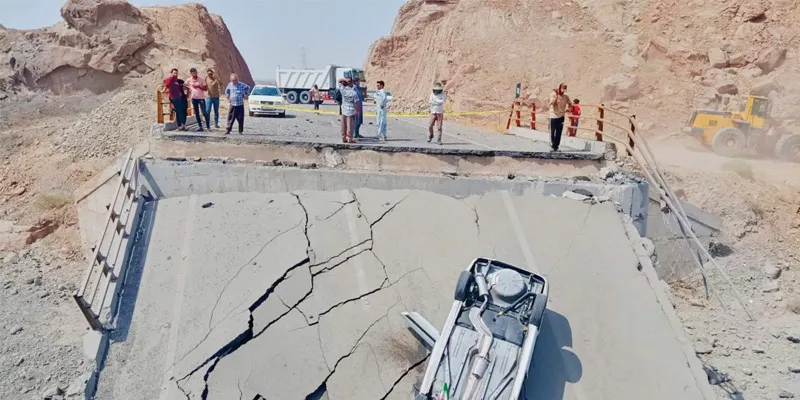
NEW DELHI: The US and Iran inch closer to all-out war again as they resume airstrikes, causing deaths on both sides and severe damages in Iran and neighbouring countries such as Kuwait, Jordan and Bahrain.
The strikes – the 10th consecutive night of attacks – come after US President Donald Trump vowed to punish Iran for the deaths of US soldiers.
Responding to the service members’ deaths by warning Iran on social media he said “every time Iran kills an American Soldier they will pay for that killing many times over.”
Iran has acknowledged the strikes on its cities and the loss of lives and damage to infrastructure. “The US has violated and suspended all its commitments within the framework of the Islamabad MoU,” Iran’s Deputy Foreign Minister, Kazem Gharibabadi, said, referring to the agreement signed last month. Tehran has “likewise suspended all our own commitments” and implementation of the agreement and is “busy defending the country”.
According to one estimate at least 50 people have died in US strikes across Iran over the recent three-week period, with hundreds more injured. In the retaliatory Iranian attacks on US bases, three US service members were killed.
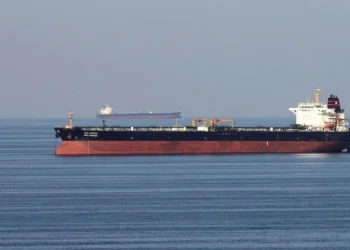
The interim deal signed last month that was meant to end the fighting has practically crumbled, even as Iran’s interior minister traveled to Pakistan, a key mediator in the conflict, for talks. Traffic through the Strait of Hormuz has slowed to crawl with the latest violence. The British military’s United Kingdom Maritime Trade Operations center said a tanker came under attack on July 21 in the strait off Oman, forcing the crew to abandon the vessel.
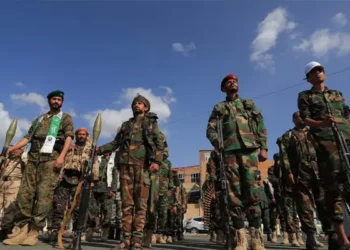
Iran’s paramilitary Revolutionary Guard claimed the attack, as well as two other attacks on ships in the waterway. Houthis issue threat Meanwhile, the Houthis, the Iranian-backed armed faction in Yemen, on July 20 said they would impose a blockade on Saudi ships, threatening to open a new front in the Middle East conflict and raising the pressure on volatile global energy markets.
Iran’s chokehold on the Strait of Hormuz has reduced global fuel supplies, pushing prices upward, but Saudi Arabia, a US ally, has been able to reroute some of its exports through the Red Sea. If the Houthis follow through on their statement that they will not allow Saudi vessels to pass through the Bab al-Mandab Strait, the southern portal to the Red Sea, it would worsen the global fuel crisis.
Diplomatic efforts to defuse the tensions are still on. On July 19, US Secretary of State Marco Rubio told reporters that the U.S. is still open to negotiating with Iran but that “it has to be real.”