Blitz Bureau
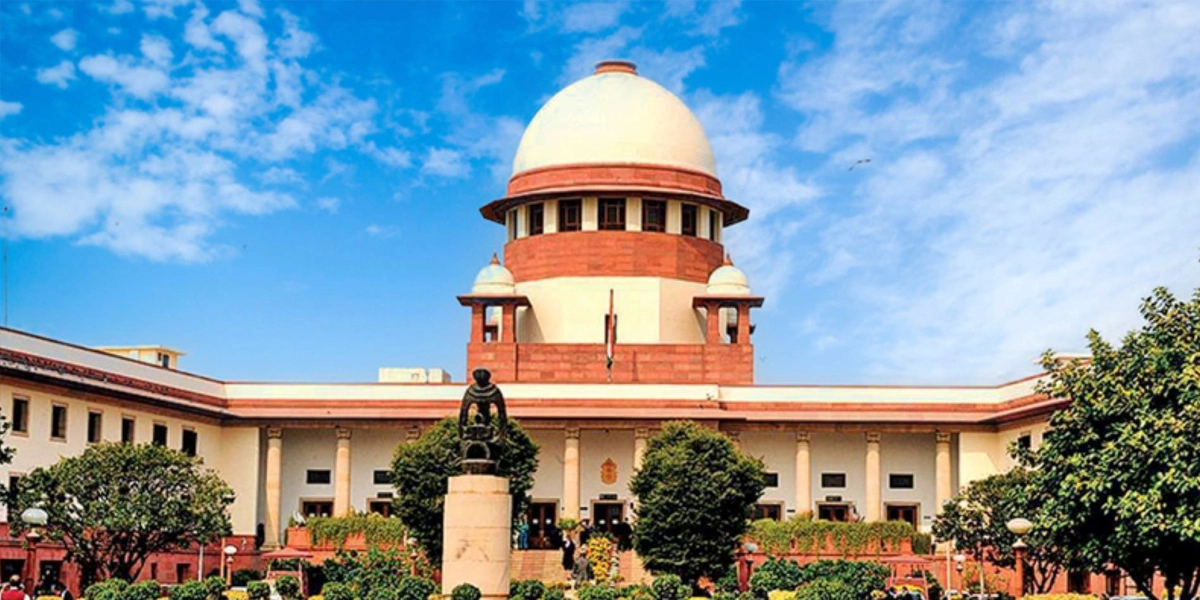
NEW DELHI: Three separate processes converged on the same question this week, and the question is one of the most consequential in Indian public life: can the country guarantee the integrity of the examination that decides who becomes a doctor? On Friday the Supreme Court directed the Centre to bring recurring lapses in the NEET-UG examination to an end and sought a detailed roadmap on reform. A Bench of Justices P S Narasimha and Alok Aradhe asked the Centre and the National Testing Agency to file fresh affidavits setting out progress since the paper leak and the measures being built for the long term. The matter returns to court on July 27.
The Court’s language went to structure rather than incident. It pressed for comprehensive administrative, technological and institutional reform, observing that the examination ecosystem must move past ad hoc fixes toward permanent safeguards for integrity, transparency and credibility. Specifically, the Bench asked the Centre to explain progress on its proposal to shift NEET entirely to computer-based testing, along with the data-protection and cybersecurity safeguards such a transition requires. The Solicitor General sought a few days to present what he described as a holistic view of the reforms under way.
Structure, not stopgaps: The Supreme Court has sought the Centre’s roadmap for permanent NEET-UG reform, including the proposed move to computer-based testing with data-protection safeguards, and will take up the matter again on July 27.
An examination is a promise a country makes to its young: study hard, and the result will be yours alone. Everything now under way is an attempt to make that promise unbreakable.
At a Glance
• Court: Justices P S Narasimha and Alok Aradhe seek a reform roadmap and fresh affidavits
• Focus: transition to computer-based testing, with data and cybersecurity safeguards
• Next hearing: July 27, after the Solicitor General sought time
• Talks: a third round between Union ministers and student representatives
Alongside the judicial track runs a negotiating one. Union Ministers J P Nadda and Jitendra Singh have been meeting representatives of the student group leading the protests, Saurav Das and Ashutosh Ranka, in a third round of talks; the government has said it is willing to meet at any time and has sent four formal proposals. In the early hours of Friday, the education activist Sonam Wangchuk ended a 26-day hunger strike at a Gurugram hospital after receiving written assurances — that accountability in the examination system would be discussed in Parliament, that cases against peaceful protesters would be withdrawn, and that compensation would be provided to the families of students who died by suicide. Points of difference remain openly stated: the students continue to seek the Education Minister’s resignation and a higher compensation figure, and the venue for further talks is still being settled.
The constructive way forward is visible in what all three tracks have in common. A court seeking a roadmap rather than only a verdict, a government negotiating in writing rather than only in statements, and student representatives pressing their case through institutions rather than around them together describe a democracy working through a painful failure in the open. The substantive test is now the reform itself: a computer-based examination is only as secure as the question banks, the centre-level supervision and the audit trails behind it, and India must build all three at a scale of over twenty million candidates a year. Getting that architecture right is what will eventually retire this dispute — and the July 27 hearing is where the country will see how far the plan has come.