Blitz Bureau
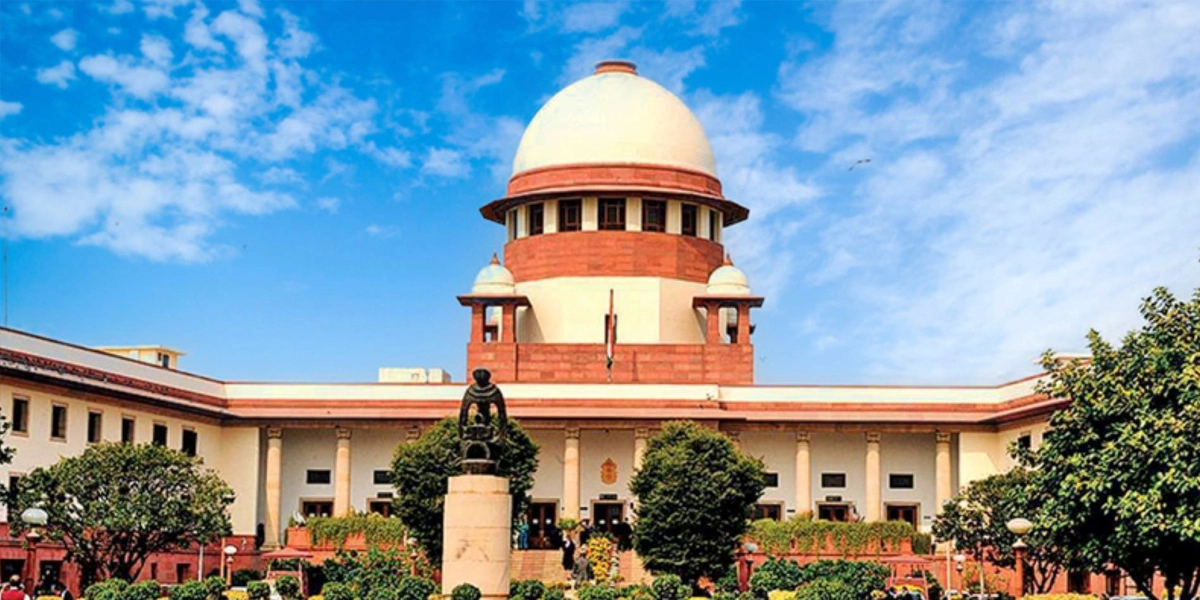
NEW DELHI: Something unusual happened in the Supreme Court on Monday, and it is worth naming precisely. Hearing a batch of petitions seeking structural reform of the NEET-UG examination, the Bench of Justices P S Narasimha and Alok Aradhe did not simply rule and rise. It said it would “very closely monitor” the Centre’s roadmap for institutional reform — and would “follow it up throughout the year.” The Court has directed the Union government to file a comprehensive affidavit setting out its proposals for overhauling the National Testing Agency, the feasibility of shifting NEET to computer-based testing, and the cybersecurity and examination-security protocols that must accompany it.
The distinction matters. A judgment closes a file; supervision keeps it open. By converting a one-day hearing into a year-long process, the Court has changed what success looks like for everyone involved: not an assurance offered once in a courtroom, but a plan that must survive being checked again and again as it is built. The Bench was explicit that ad hoc measures are not a permanent solution and that what the country needs is a fully institutionalised examination system — language aimed at the architecture of assessment rather than at any single incident.
Supervision, not just a verdict: The Bench of Justices P S Narasimha and Alok Aradhe has sought a comprehensive affidavit on NTA reform, computer-based testing and cybersecurity — and said it will track the Centre’s roadmap through the year.
A promise made once can fade. A promise checked every few months becomes a plan — and that is precisely what the Court has just built for twenty million candidates.
At a Glance
• Bench: Justices P S Narasimha and Alok Aradhe
• Direction: a comprehensive Union affidavit on NTA institutional reform
• Scope: CBT feasibility, cybersecurity and examination-security protocols
• Approach: the Court will monitor closely and follow up through the year
The judicial track now runs alongside a political one. Parliament’s Monsoon Session is under way with examination accountability at the centre of debate, and the Education Ministry has changed hands — Pralhad Joshi took additional charge over the weekend following Dharmendra Pradhan’s resignation, accepted by the President under Article 75 on the Prime Minister’s advice. A new minister therefore inherits a portfolio whose reform agenda is not his to define alone: it has been set out in petitions, examined in open court, and will now be audited by a Bench at intervals of its own choosing.
The constructive way forward lies in treating that scrutiny as an asset rather than a burden. India has the technical capacity to build a secure national assessment system — calibrated question banks that make an individual paper worthless to steal, biometric verification, encrypted delivery, resilient connectivity at district centres and auditable trails at every step. What such projects usually lack is sustained attention after the headlines move on. By keeping the file open for a year, the Court has supplied exactly that. If the affidavit that follows is specific about timelines, costs and pilots rather than intentions, this becomes the moment India stopped patching its most important examination and started rebuilding it.