Blitz Bureau
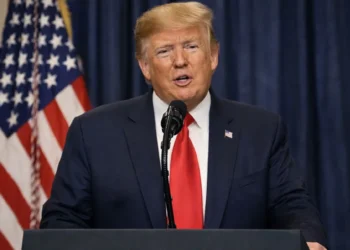
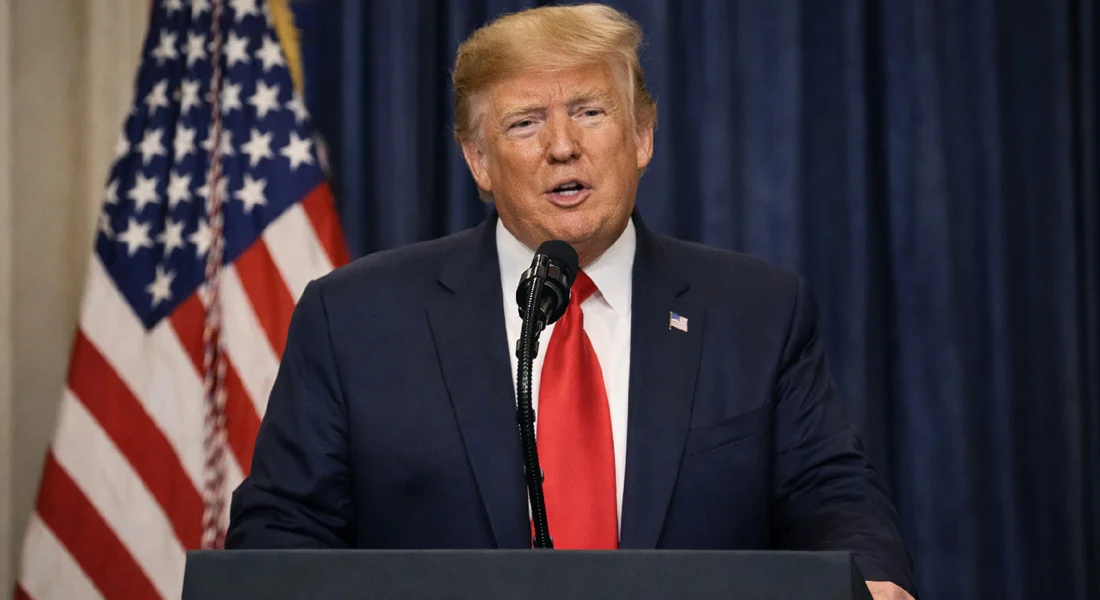
NEW DELHI: President Donald Trump vowed to find other ways to tax foreign goods after the Supreme Court rejected his most aggressive tariffs earlier this year. On July 23, his administration unveiled its latest workaround.
Dozens of America’s trading partners from Europe to China to India will face new tariffs of 10 per cent to 12.5 per cent on goods shipped to the United States, according to a statement from the office of the US Trade Representative. Goods from the 60 affected trading partners encompass 99.4 per cent of US imports, the US Trade Representative said.
The timing coincides with the lapse of a 10 per cent near-blanket duty Trump imposed earlier this year after losing the Supreme Court case.
The timing coincides with the lapse of a 10 per cent nearblanket duty Trump imposed earlier this year after losing the Supreme Court case. “The president is not going to allow his trade policy and overall objectives to be undermined simply because one tool may be limited by a court or something else,” senior White House officials told reporters on a call previewing the actions.
In a statement, Brazil rejected the 12.5 per cent tariff on its goods and reiterated its call for reciprocity. And in a video on social media, Mexico’s economy minister said, “We do not see a change in the effective tariff Mexico is paying today.” The latest action follows a monthslong investigation by the US Trade Representative into the alleged use of forced labor to produce goods exported to the US and the failure by various countries to address the practice.
Exemptions for some
The new rates apply to imports from countries that supply nearly everything the United States buys from abroad. A variety of imports, including oil and gas, as well as products that can’t be sourced domestically, were granted exemptions, administration officials said. For most Americans, the change is unlikely to immediately translate into higher prices because it largely preserves duties that importers have already been paying. That may change in the coming weeks and months, though.