Blitz Bureau
NEW DELHI: The month’s cinema story can be told with two numbers. Dhamaal 4, released on July 10, has taken a net collection of about ₹151 crore and is the leading Hindi performer of July. Jana Nayagan, the Tamil release that arrived on July 23, has taken about ₹135 crore net in a fraction of the time. One is a long-running Hindi comedy franchise with two decades of audience goodwill; the other is a Tamil star vehicle that reached that figure in barely a week.
Read together, they describe the shape of the Indian theatrical market rather than a contest between industries. Audiences will still fill halls in very large numbers, but increasingly only for titles that feel like events — a franchise they have grown up with, or a star whose release is treated as a public occasion. Everything between those poles competes for a much thinner slice. July’s release calendar has been busy across languages, with titles spanning comedy, drama and regional cinema, and the busiest weekend of the month still ahead: Bhai Tera Star Hai opens on July 30 directly against a major Hollywood release.
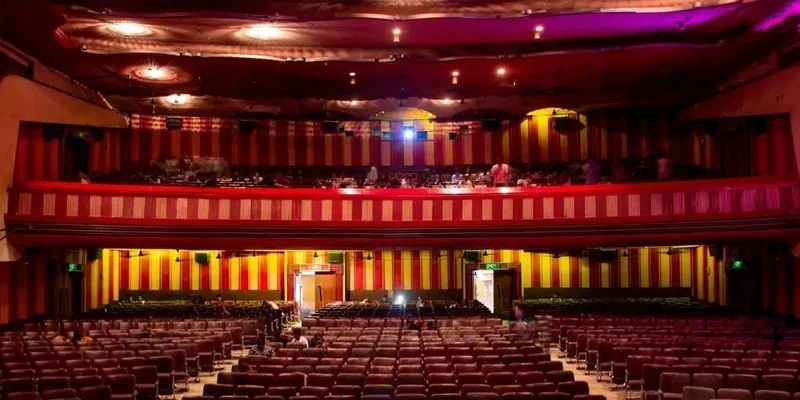
Event cinema, twice over: Dhamaal 4 has taken about ₹151 crore net since July 10 and Jana Nayagan about ₹135 crore since July 23 — a Hindi franchise and a Tamil star vehicle sharing the month.
India does not have one film industry with regional branches. It has several national industries that happen to share a country — and July was a good month for two of them.
At a Glance
• Dhamaal 4: released July 10; about ₹151 crore net — July’s top Hindi earner
• Jana Nayagan: Tamil release, July 23; about ₹135 crore net
• Pattern: event titles dominate; mid-budget releases divide a thinner share
• Ahead: Bhai Tera Star Hai opens July 30 against a major international release
The structural challenge underneath the good month is that a market dependent on event films is a fragile one. When two or three titles carry a month, a single disappointing quarter can strand exhibitors, and mid-budget cinema — historically the training ground for writers, directors and character actors — struggles to find a theatrical window at all. The talent pipeline that eventually produces the event films is fed by exactly the films that are hardest to release.
There are workable answers, and parts of the industry are already trying them. Differential pricing that makes a Tuesday afternoon show genuinely cheap has brought audiences back in several markets. Screen density outside the largest cities remains low by international standards, and every new screen in a tier-two town expands the addressable audience for smaller films disproportionately. Staggered release calendars reduce the self-inflicted damage of two large titles opening on the same Friday. And the growing traffic of dubbed and subtitled releases across Indian languages is quietly enlarging the market for everyone. July’s two big numbers are worth celebrating. The more interesting number will be how many films took a respectable third place.