Blitz Bureau
NEW DELHI: Indian equities closed Thursday modestly higher in a subdued session, and the sector doing the lifting was the one that has spent two years quietly rebuilding. The Sensex added 273.55 points, or 0.35%, to settle at 77,928.15; the Nifty 50 gained 66.95 points, or 0.28%, to 24,317.15. Mahindra & Mahindra, Coal India and Eicher Motors led the Nifty gainers on the back of upbeat automaker earnings, while Adani Ports, HDFC Life and Shriram Finance were among the biggest drags. Higher energy prices and a volatile bond market kept the day’s advance from becoming a rally.
Behind the share prices sits a genuine volume story. India sold 31,823 electric cars in June, against 15,318 in the same month a year earlier — growth of 107.75%. Across the April–June quarter, electric car retail sales reached 82,011 units against 43,464 a year earlier, a rise of 88.69%. Tata Motors remained the largest electric car brand with 12,187 retails in June and a 38.30% share of the segment, growing 126.73% year on year, while Maruti Suzuki registered 4,741 electric vehicles over the quarter following the launch of the eVitara.
Doubling, not drifting: electric car sales more than doubled year on year in June, with Tata Motors holding close to two-fifths of the segment and new entrants widening the model choice.
A market that rises on automaker results is a market being told that household demand for a large purchase has held up. That is a better signal than the index level.
At a Glance
• Sensex: 77,928.15, up 273.55 points (0.35%) on Thursday
• Nifty 50: 24,317.15, up 66.95 points (0.28%)
• Top gainers: Mahindra & Mahindra, Coal India, Eicher Motors
• Top losers: Adani Ports, HDFC Life, Shriram Finance
• Electric cars, June: 31,823 units, up 107.75% from 15,318
• April–June quarter: 82,011 electric car retails against 43,464 a year earlier (+88.69%)
• Tata Motors: 12,187 retails in June, 38.30% segment share, up 126.73%
• Maruti Suzuki: 4,741 electric vehicles in the quarter after the eVitara launch
Doubling from a small base is easier than doubling from a large one, and electric cars remain a modest slice of India’s total passenger vehicle market. But the composition of the growth is what makes it durable. A year ago the segment was effectively one manufacturer and a handful of models; the June numbers show a market with a clear leader, a credible challenge from Mahindra and MG, and a genuine mass-market entrant in Maruti Suzuki, whose distribution reach into smaller towns is unmatched by anyone else in the industry. Competition of that kind lowers prices and lengthens warranties faster than any subsidy can.
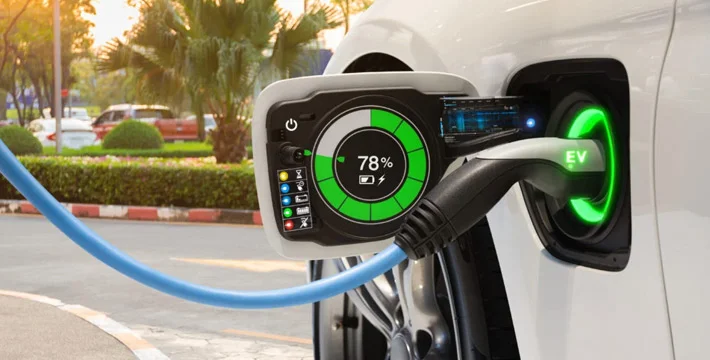
The constraint that will decide the next doubling is not the car but the plug. Charging density outside the metropolitan corridors remains the single most cited reason buyers hesitate, and it is a coordination problem rather than a technology one — highway charging points need guaranteed grid connections, predictable land access at fuel retail sites and a common payment standard so a driver is not carrying four apps. The instruments exist under the national electric mobility programmes; the useful next step is a published, district-level map of committed charger locations with dates, so that a buyer in Nashik or Guwahati can see the infrastructure arriving rather than being asked to trust that it will. Get that right and the industry’s volume forecasts stop depending on early adopters.