Blitz Bureau
NEW DELHI: Two facts about this monsoon are both true and pull in opposite directions. The season-to-date rainfall deficit stood at 12 per cent of the long period average on August 2, and the India Meteorological Department expects August and September rainfall to come in below 94 per cent of normal, with El Niño conditions likely to persist. Yet kharif sowing has largely caught up. Understanding why requires looking at where the rain fell rather than how much of it there was.
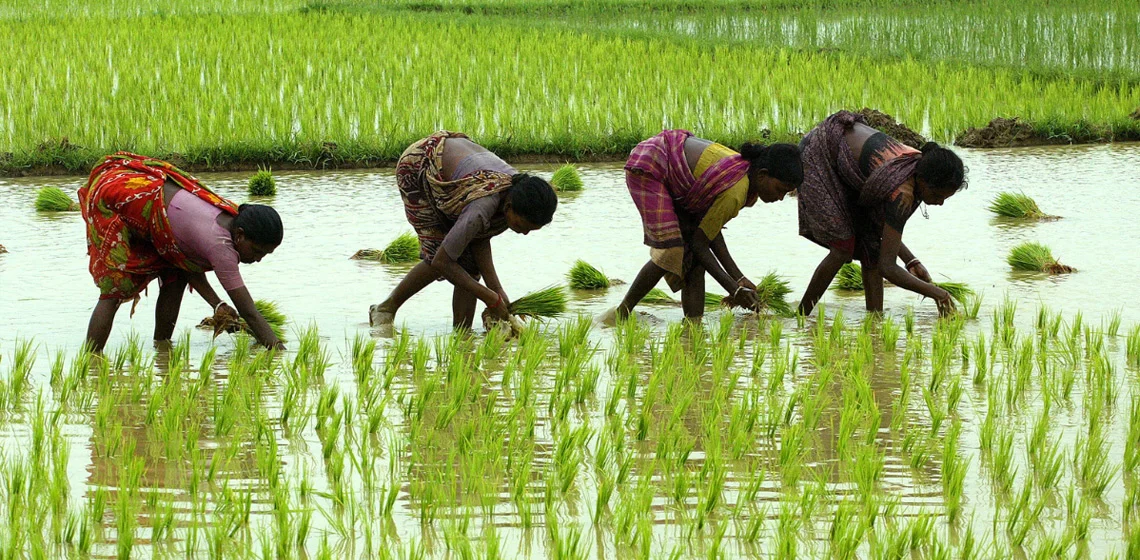
An all-India rainfall figure is an average across regions with entirely different agricultural functions, and a deficit concentrated in the wrong place does far more damage than the same deficit spread evenly. This season the core monsoon rainfed zone — the central belt where agriculture depends on rain rather than canal or tube-well irrigation, and where a failed monsoon is a failed crop — has fared satisfactorily. That is the single most important sentence available about this monsoon, and it is why sowing figures have recovered towards normal even while the headline deficit sits in double digits. A 12 per cent shortfall that spares the rainfed core is a different event from a 12 per cent shortfall that lands on it.
Where, not how much: a national rainfall deficit that spares the core rainfed zone has very different consequences from the same deficit falling on it.
The monsoon is not one number. It is roughly thirty-six regional numbers, and only a handful of them decide what a farmer harvests.
At a Glance
• Seasonal shortfall: 12 per cent of the long period average as on August 2, 2026
• IMD outlook: August–September rainfall likely below 94 per cent of LPA; above-normal temperatures expected over most of the country
• Driver: El Niño conditions likely to persist through the season
• The offsetting fact: the core monsoon rainfed zone has fared satisfactorily, helping kharif sowing catch up
• Near term: heavy rain likely in several states through August 6, including Uttar Pradesh, Bihar, Punjab, Haryana, west Rajasthan, Chhattisgarh, Kerala and Tamil Nadu
• Crop insurance: the Pradhan Mantri Fasal Bima Yojana enrolment window for Kharif 2026 now closes August 15
The near-term forecast complicates the picture in a useful direction. Heavy rain is expected through August 6 across a wide band including Uttar Pradesh, Bihar, Punjab, Haryana, west Rajasthan, Chhattisgarh, Kerala and Tamil Nadu. Rain in the first week of August is well-timed for standing kharif crops in the north and for reservoir storage everywhere; it is the second half of the month, which IMD has flagged as the weaker period, that will determine whether transplanting completes cleanly and whether rabi sowing later in the year begins with full or partial soil moisture. That sequencing is why a below-normal August forecast is a matter for planning rather than alarm.
The practical response available to a farmer this week is the crop insurance window, and the extension to August 15 is genuinely well-timed. Enrolment now closes after the period in which the shape of August rainfall becomes visible, which means a farmer is making the insurance decision with more information than the usual calendar allows. The constructive priorities from here are unglamorous and well understood: keep the state-level contingency plans for short-duration and drought-tolerant seed varieties ready in the districts flagged as deficient, ensure reservoir releases are scheduled against the September outlook rather than the July balance, and use the extension window actively rather than passively. A below-normal second half is a manageable event in a country that has spent a decade widening its irrigation cover — provided the preparation happens in the first fortnight of August rather than the last.