Blitz Bureau
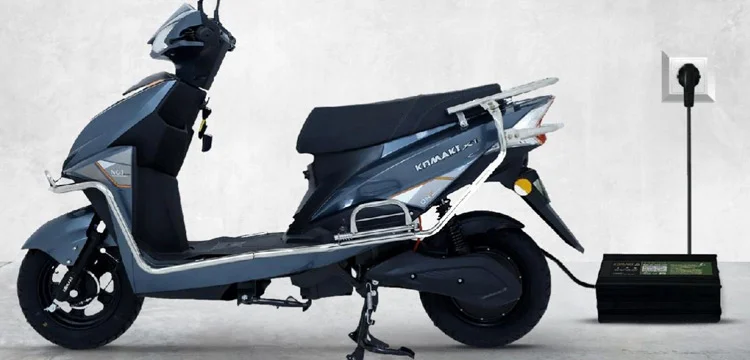
NEW DELHI:India registered 2,04,362 electric two-wheelers in July, crossing two lakh in a month for the first time. Look at who sold them and the electric transition stops looking like a startup story.
The month was a record across the board: 25,91,138 vehicles retailed, up 25.89 per cent year on year, with all six categories posting their best-ever July. Electric registrations of every kind hit 3,27,901, taking EVs to about 12.7 per cent of all vehicles sold, from 9.6 per cent in July 2025. Within two-wheelers, the electric share reached 11.24 per cent — up from 10.59 per cent in June and 7.65 per cent a year ago. Roughly one in nine two-wheelers leaving a showroom now runs on a battery, and the year-on-year growth rate of 88.32 per cent means that ratio is still moving quickly.
Sold, not just built: the electric two-wheeler race has been decided less by battery chemistry than by how many towns a company can service a vehicle in.
The disruptors built the better scooter. The incumbents had four thousand service centres. Only one of those is hard to copy.
At a Glance
• Total retail, July 2026: 25,91,138 units, up 25.89 per cent — a record July in all six categories
• All EV registrations: 3,27,901, an all-time high
• EV share of all vehicles: about 12.7 per cent, from 9.6 per cent in July 2025
• Electric two-wheelers: 2,04,362, up 88.32 per cent from 1,08,516
• Electric share of two-wheelers: 11.24 per cent, from 10.59 per cent in June and 7.65 per cent a year earlier
• Leaders: TVS 55,499 · Bajaj 45,613 · Ather 30,357 · Hero 22,900 · Ola Electric 14,106
• Source: Federation of Automobile Dealers Associations retail data
Now the composition. TVS Motor sold 55,499 electric two-wheelers in July and Bajaj Auto 45,613 — between them about half the segment. Ather Energy, the strongest of the electric-first manufacturers, took 30,357; Hero MotoCorp 22,900; Ola Electric 14,106. Five years ago the expectation was that legacy petrol manufacturers would be the ones caught out. What happened instead is that the electric drivetrain proved easier to buy than a dealership network proved to build. A first-time electric buyer in a district town is not comparing torque curves; she is asking who will fix it, how far away, and whether the company will still exist in three years. The manufacturers who already had answers to those questions won the segment without needing to win the engineering argument.
That is a constructive outcome, not a disappointing one. It means the transition is being carried by companies with the balance sheets and supplier networks to sustain a decade of it, and it means the electric-first firms have done what challengers usually do: force the incumbents to move years earlier than they intended. The unfinished work sits where it always has — charging in dense neighbourhoods where nobody has a private parking spot, financing terms for buyers without formal income proof, and a used-battery market that does not yet exist. Solve those and the 11 per cent becomes 25. Leave them, and the number stalls at the households that already have a wall socket and a bank record.